
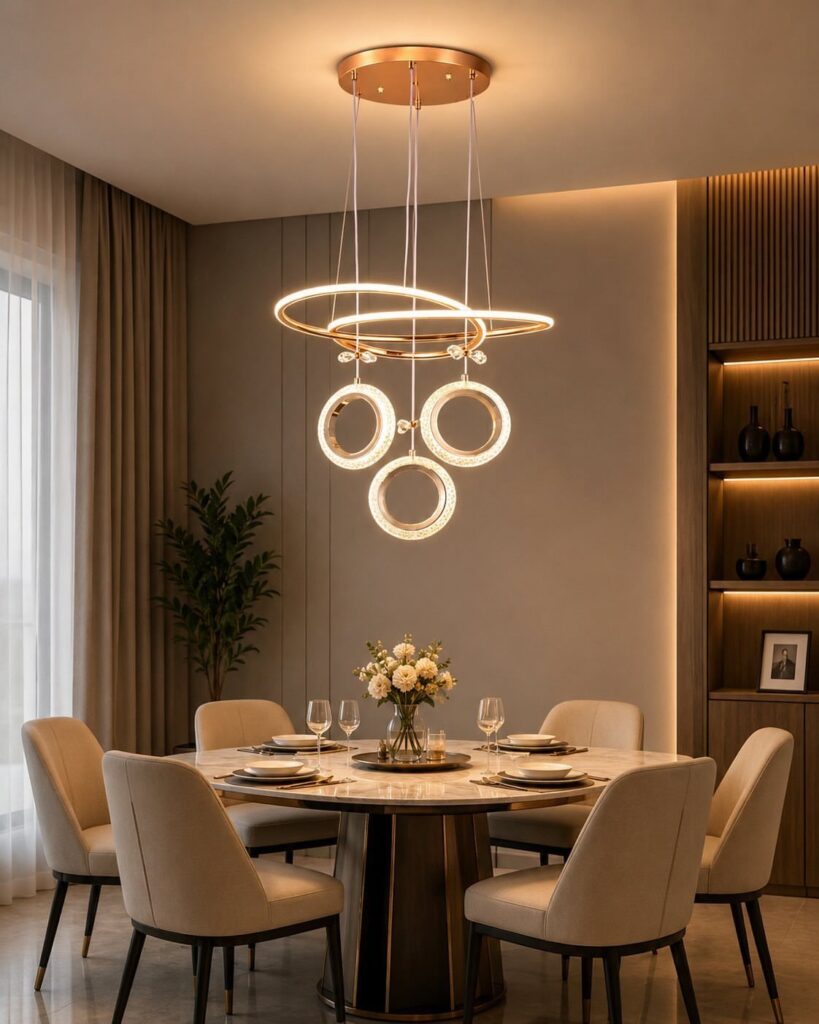
Round tables do best with low or narrow pieces that sit below eye level so people can talk across without bobbing around an obstacle.
Everything below stays low enough for conversation, from a 3-inch glass cylinder to a stem of eucalyptus that sprawls rather than climbs.
Most of these cost little: a grocery-store bunch of eucalyptus, a bag of lemons, a pack of cardstock and a printer. A potted succulent or rooted cutting runs only the price of the soil if you already keep houseplants.
1. Minimalist Vase Centerpiece
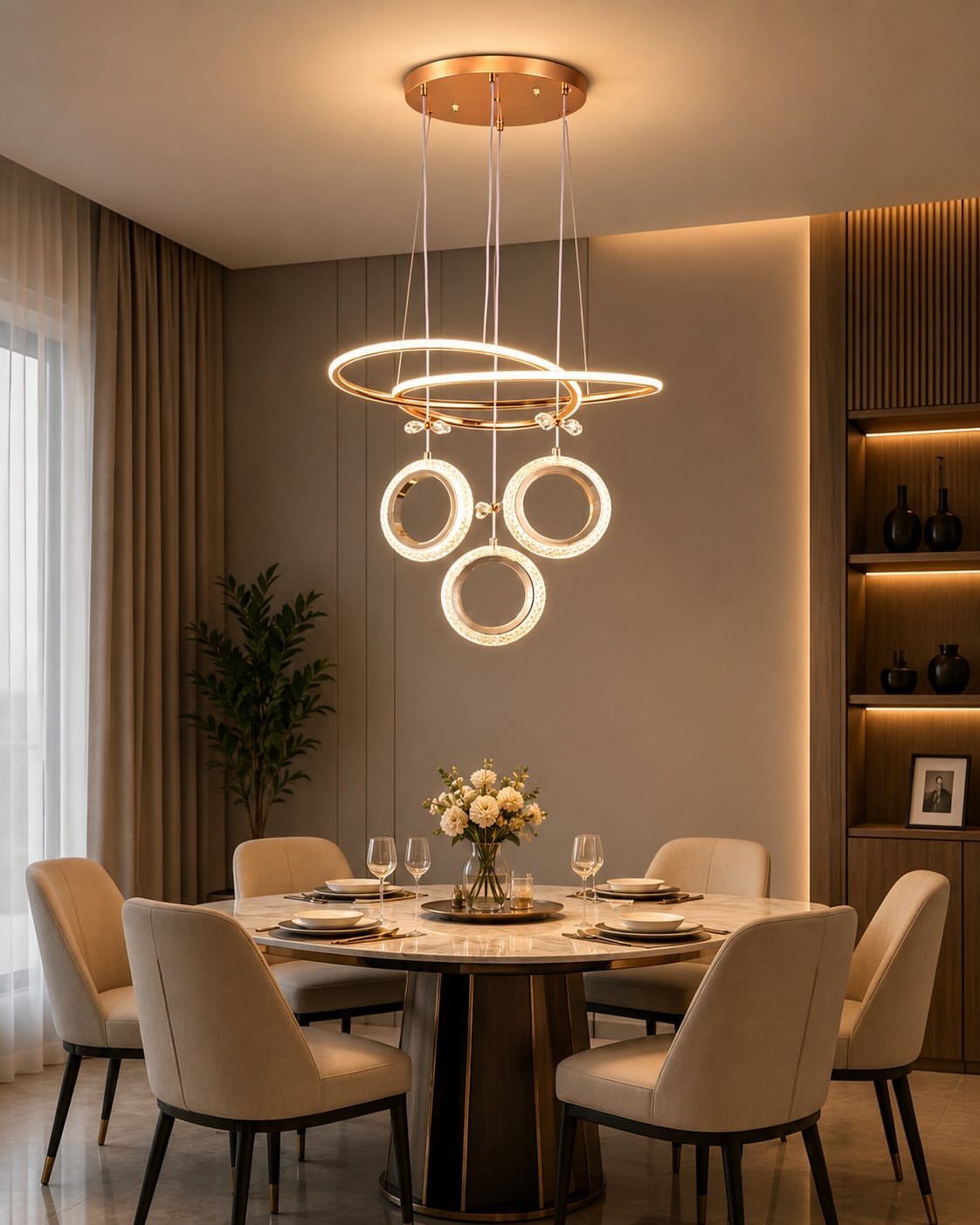
A single vase at the center of a round table anchors the space without fighting the curve. I like a low, narrow vessel for four-seat tables; anything taller starts blocking faces across the way.
The tray underneath catches water marks and gives you a stable base on slick surfaces like marble or glass. One or two stems, changed weekly, costs less than a full bouquet and keeps the look consistent.
2. Colorful Napkins
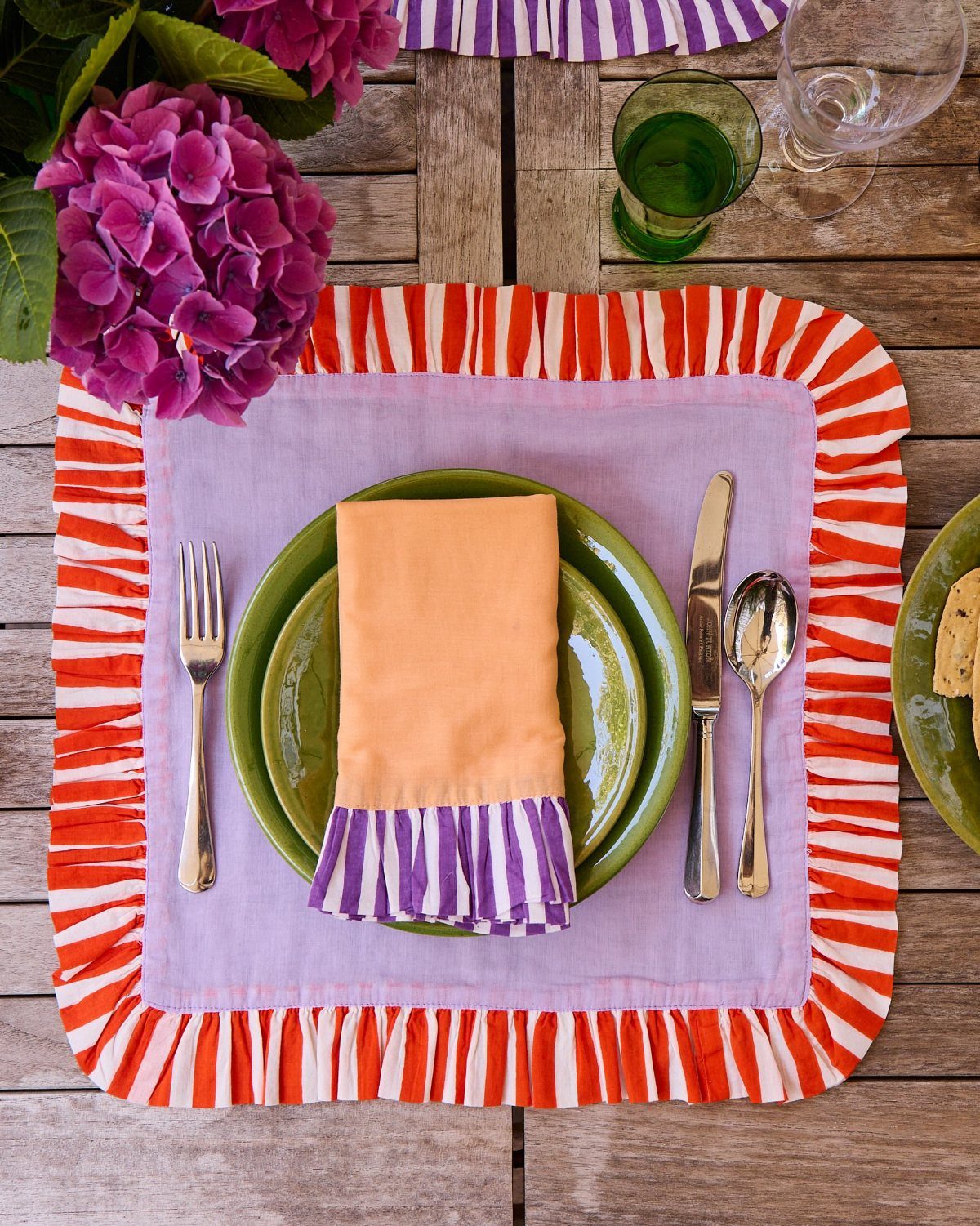
Cloth napkins repay their cost after enough uses if you skip paper. The color does the work here: pick one shade that clashes on purpose with your plates, or match the napkin to something seasonal and keep everything else neutral.
I wash mine with the regular load, no special treatment, though I pull them out before the dryer if I want to press a sharp fold.
For a round table, I set them directly on the plate rather than beside it; the curve leaves narrow side space and stacked settings read cleaner.
3. Potted Plants
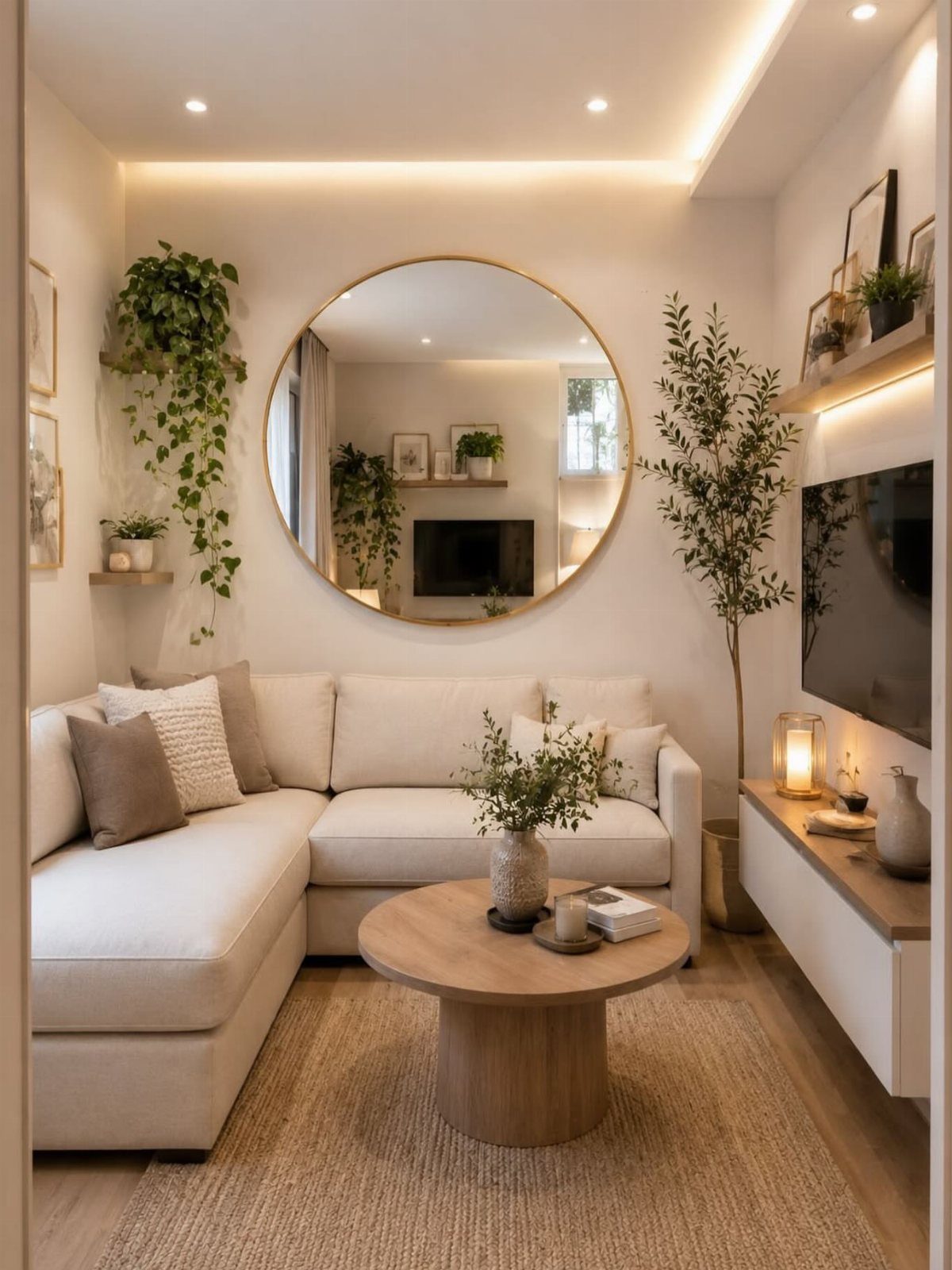
A small potted plant sits at the center without the height that blocks conversation across a round table.
I rotate mine from windowsill to table and back; the same plant serves both spots and neither one tires it out. Succulents forgive a week between waterings, ferns want more attention but give softer texture.
The pot matters as much as the plant: matte ceramic or plain terracotta reads simpler than patterned glaze. Buying something established costs more, or propagate a cutting for the cost of soil.
4. Candle Displays
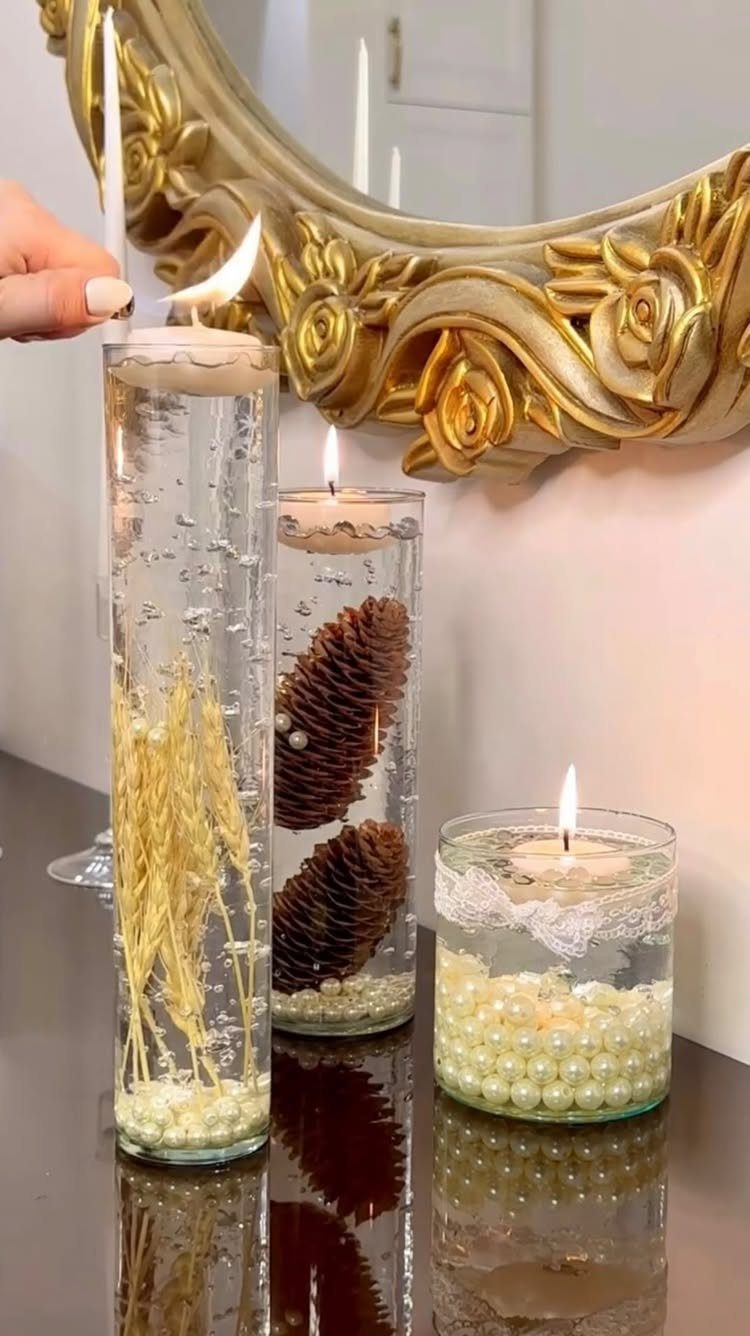
Floating candles in water cylinders give you height without flame at eye level, which I prefer on round tables where everyone faces everyone. The water amplifies light and holds stems or pebbles in place.
I use glass at least 3 inches wide; narrower cylinders tip too easily when someone reaches for the salt. Unscented candles only, always, because dinner smells should come from the plate.
Standard float candles burn long enough for most gatherings. Refill water as it evaporates, and keep a spare candle lit nearby so you never leave the table dark to fetch another.
5. Personalized Place Cards
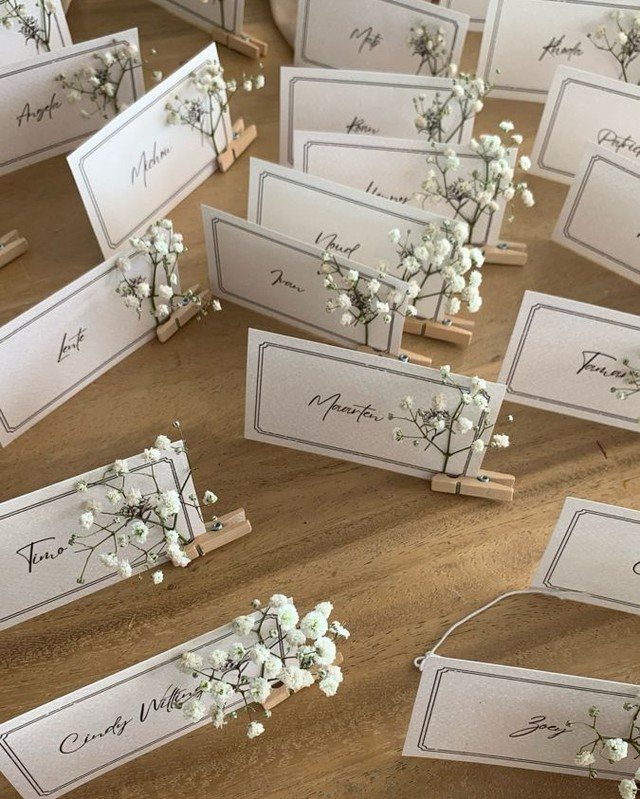
Hand-lettered cards turn a standard table into something that says you planned for these people specifically. I use heavy cardstock, cut to stand on its own or lean against a glass.
A sprig of baby’s breath, taped or clipped, adds little per place and stays fresh through a long dinner. The writing itself takes practice: I draft names in pencil first, then trace with a fine felt pen.
For a round table, angle each card slightly toward the seat it names; guests find theirs faster and the arrangement looks intentional from every chair.
6. Citrus Fruits Centerpiece
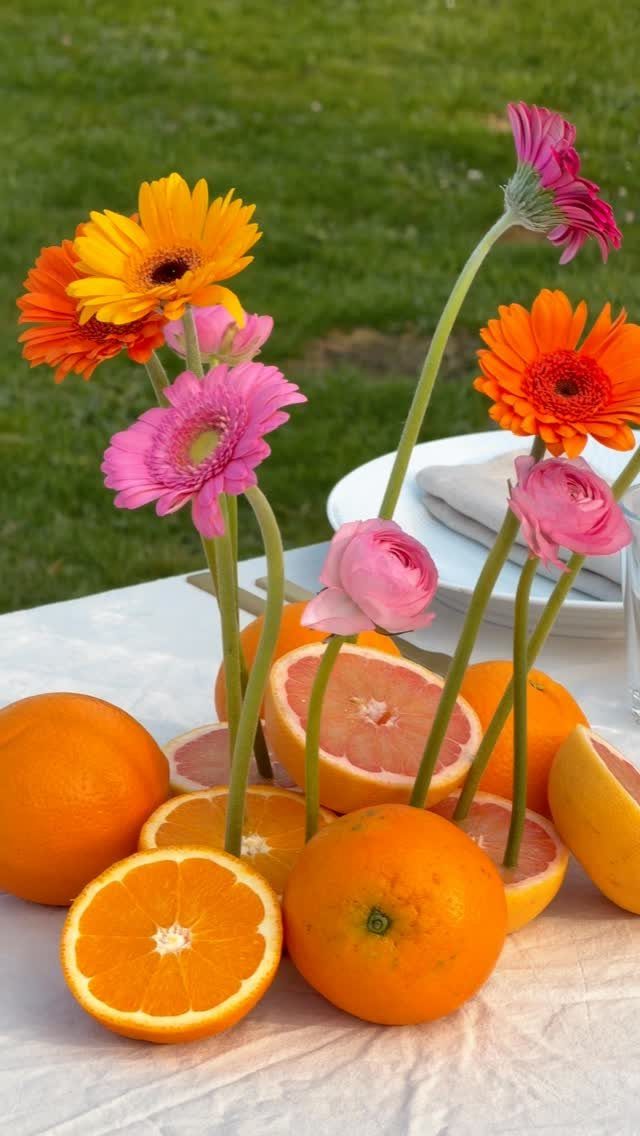
Citrus halves work as impromptu flower holders when you scoop out enough flesh to anchor a short stem.
I use daisies, ranunculus, or any bloom with a short cut stem; push them directly into the fruit and arrange water picks or small tubes of water among the citrus to keep them fresh for a day or two.
Whole fruits fill gaps and add weight so nothing shifts on an outdoor cloth. This is a one-evening trick: by morning the cut halves soften and attract fruit flies.
I buy a few pieces, mix oranges with grapefruits for color variation, and set them on a plain white ground so the yellow and coral read bright rather than busy.
7. Low Floral Arrangements
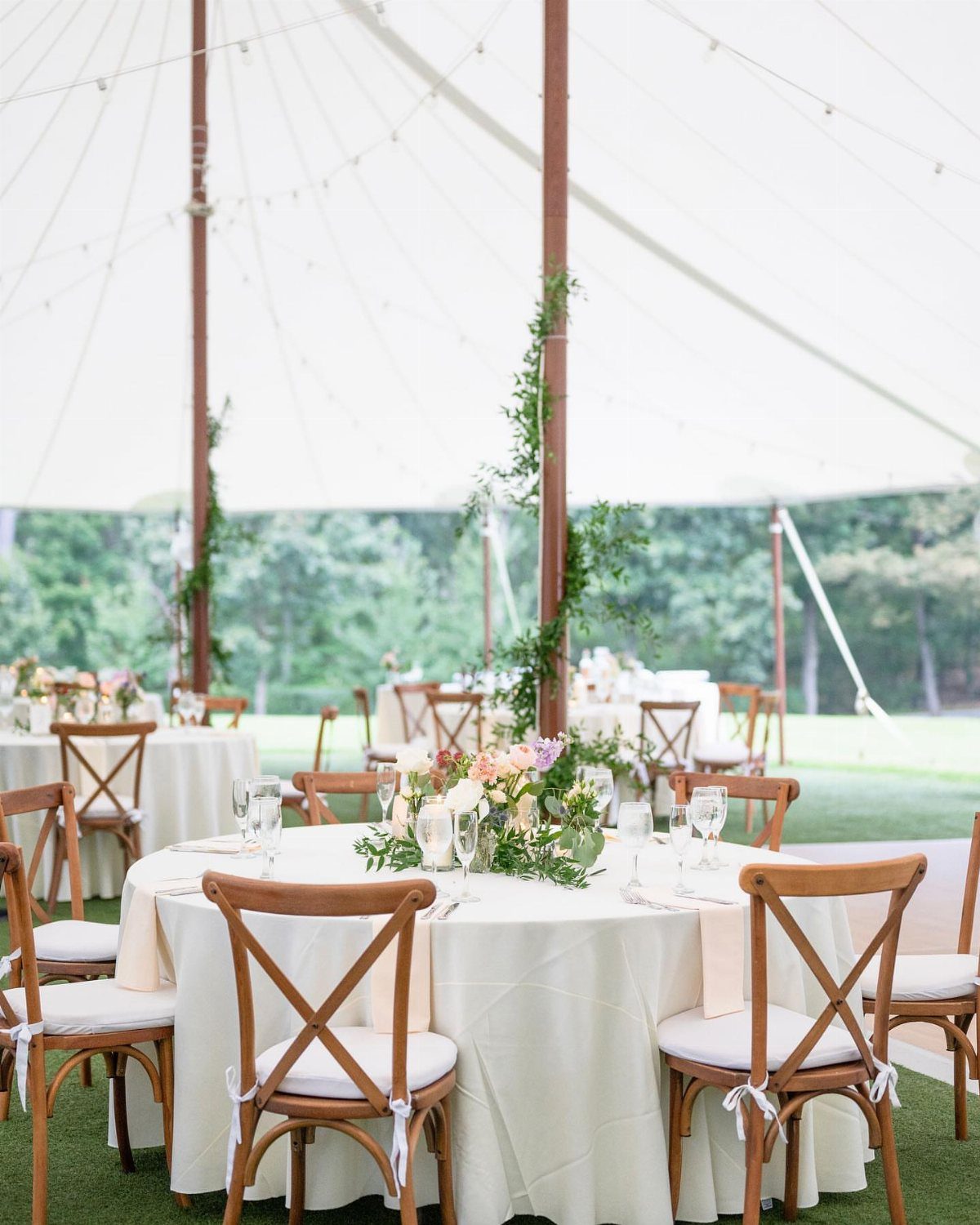
Low arrangements keep the sight line open across a round table, which matters more than height ever could at a gathering where people face each other. I keep stems cut short and let greenery spill wider than it climbs.
A shallow bowl or a low cylinder works better than a tall vase that fights the curve of the table. Change the water daily; short stems drink fast and wilt faster if you forget.
8. Woven Placemat Place Settings
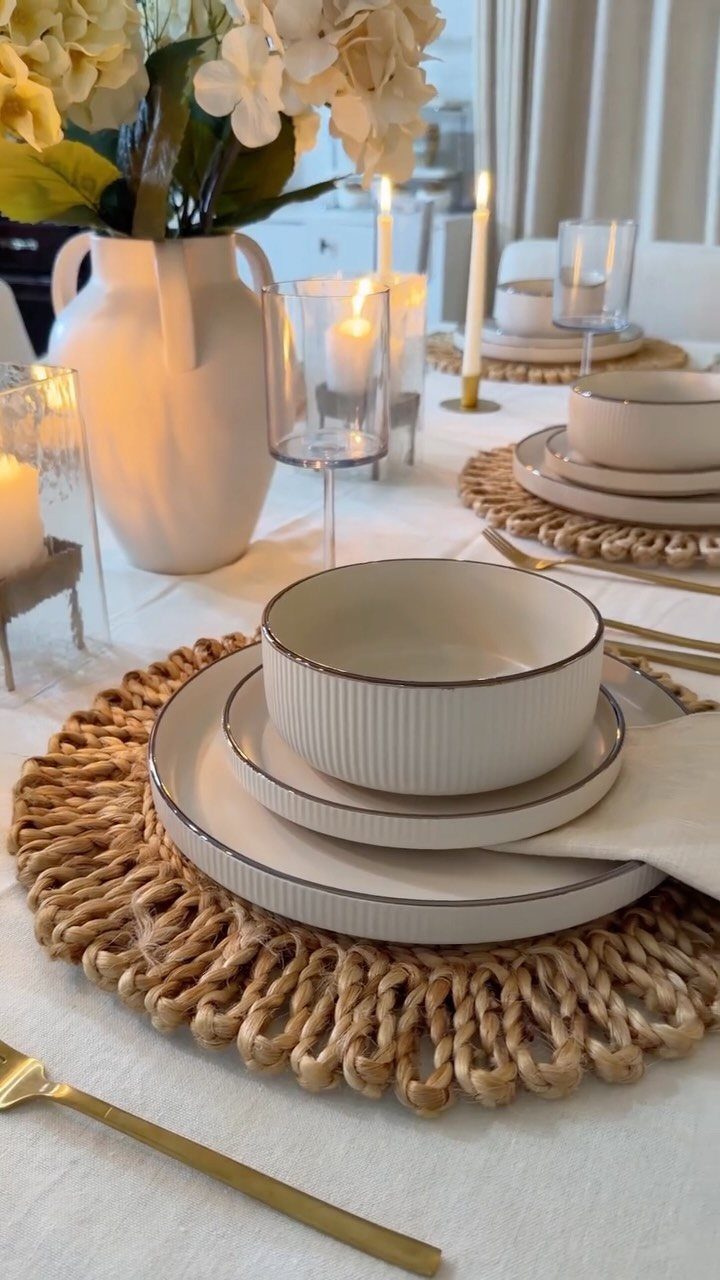
Woven placemats add texture without pattern, and on a round table the circular shape echoes the edge instead of fighting it. I like jute for its neutrality: it reads warm against white ceramic and picks up candlelight without reflecting it.
Stacking a bowl on a plate on the mat builds height at each seat so the table does not feel flat. Shake them out after meals; crumbs collect in the weave and a quick tap outdoors saves the washing machine.
9. Eucalyptus Greenery Centerpieces
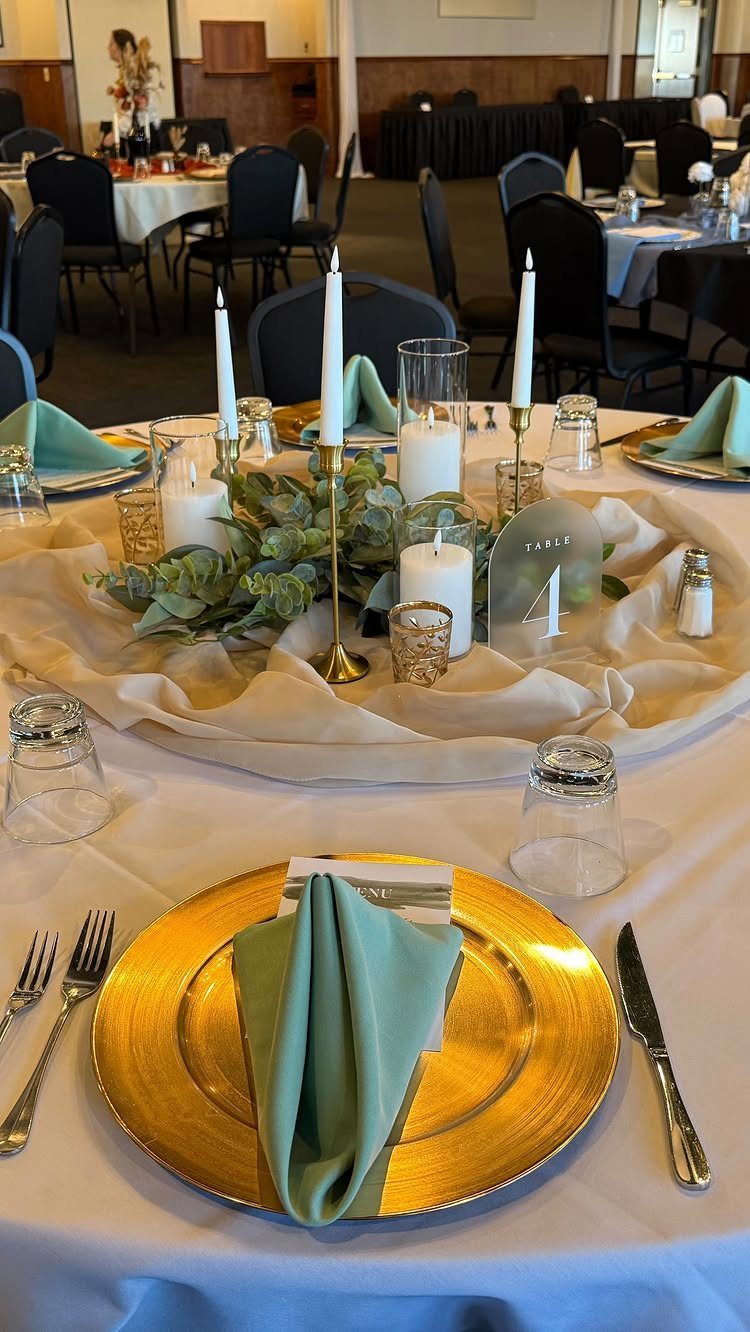
Eucalyptus sprawls low and loose, which suits a round table better than a structured arrangement that demands a center point.
I buy a few stems and let them run between candles or chargers; the silvery green reads clean against white cloth and warms up gold flatware.
The leaves dry in place and hold their color for days, so one purchase covers a weekend of events.
Strip the bottom few inches of stem if they sit in water, or leave them dry altogether and sweep up the shed leaves on Monday.
Frequently Asked Questions
What is the best centerpiece size for a round party table?
I aim for something between 12 and 18 inches across, measured at its widest point. Guests need to see faces, not flowers, so I keep heights under 14 inches or break one big arrangement into a few small pieces scattered across the middle.
Should you use a tablecloth or a runner on a round table?
Both work well, depending on the look you want. A full cloth drapes the whole surface for a finished look; a runner leaves more wood showing and reads more relaxed.
A rectangular runner down the center of a round table is a great addition, and it does not have to come from a store linen aisle: a lace valance, garland of greenery, piece of fabric, or even sheet music can serve.
How do you decorate a round table for a party without it looking crowded?
Restraint is what keeps a round table from looking crowded.





