
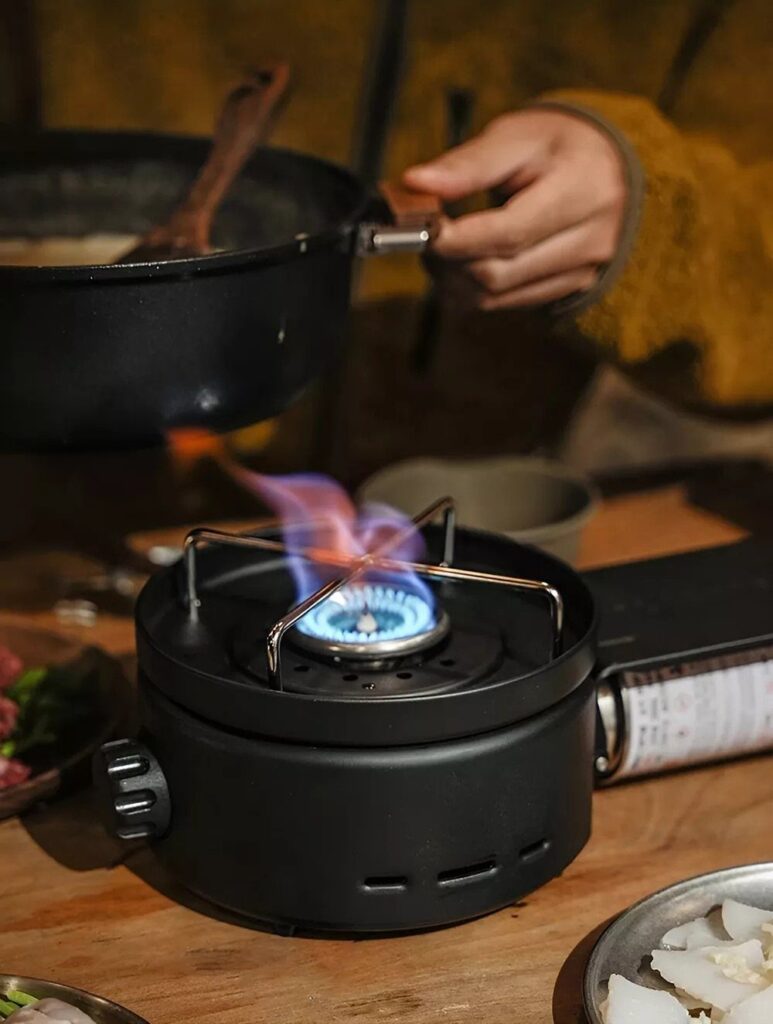
The kitchens below range from a cardboard box lined with foil to a welded steel rig that needs a stack of oak.
What decides which is yours is not budget but patience: some cook fast, others ask for days of tending.
I would start with the rocket stove’s handful of twigs before I committed to the hours an open fire roasting rig demands.
1. Solar Oven

A solar oven turns sunlight into a slow, steady heat on clear days, hot enough to bake bread, roast vegetables, or cook a chicken through without a single watt of fuel.
A parabolic tube design collects and focuses light along a central cooking chamber, where a dark metal tray absorbs the energy; the maker of that particular unit says meals finish in under 30 minutes in strong sun, though I would plan on 45-90 for most dishes and start early in the day.
This suits the reader with a small patio or balcony and no budget for gas lines or propane tanks.
Ready-made units cost more than a DIY build from cardboard, aluminum foil, and a glass pane, but either way you are not buying fuel.
Weather is the obvious limit: no sun, no dinner. A backup plan for cloudy days is worth having, but for summer afternoons in zones 5-8, this is the cheapest cooking fuel you will find.
2. Rocket Stove
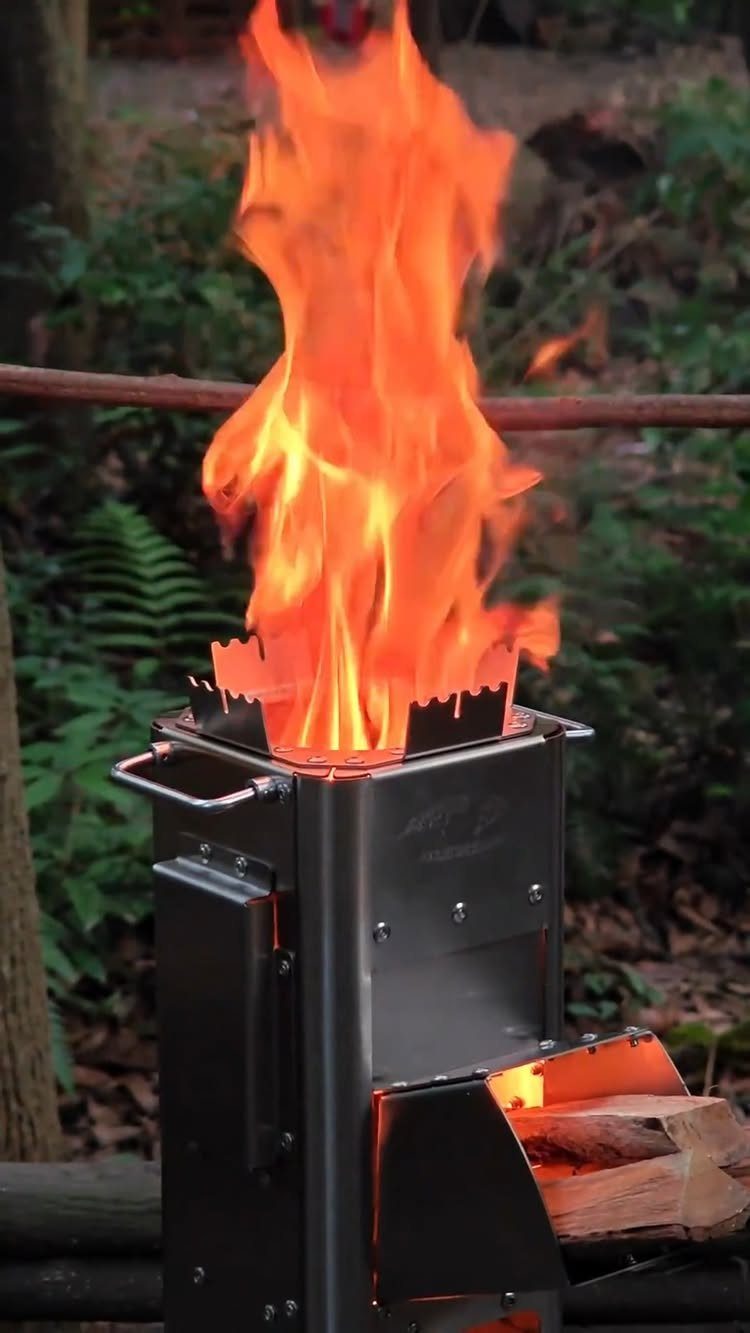
Rocket stoves burn small sticks and scraps so completely that a handful of twigs boils a pot of water in minutes.
The L-shaped design draws air through a lower fuel chamber, concentrating heat upward through a narrow vertical chimney where combustion happens fast and hot.
For someone working a small yard with trees nearby, fuel is free and the stove itself packs down to the size of a large coffee can.
Ready-made steel versions cost more than scrap pipe, but either way you are looking at a durable tool. The learning curve is real: too much fuel chokes the air, too little cools the burn.
I would practice with water before cooking anything that matters, and I would never use one on a wooden deck; the exterior stays cooler than an open fire but the exhaust does not.
3. Compact Gas Stove
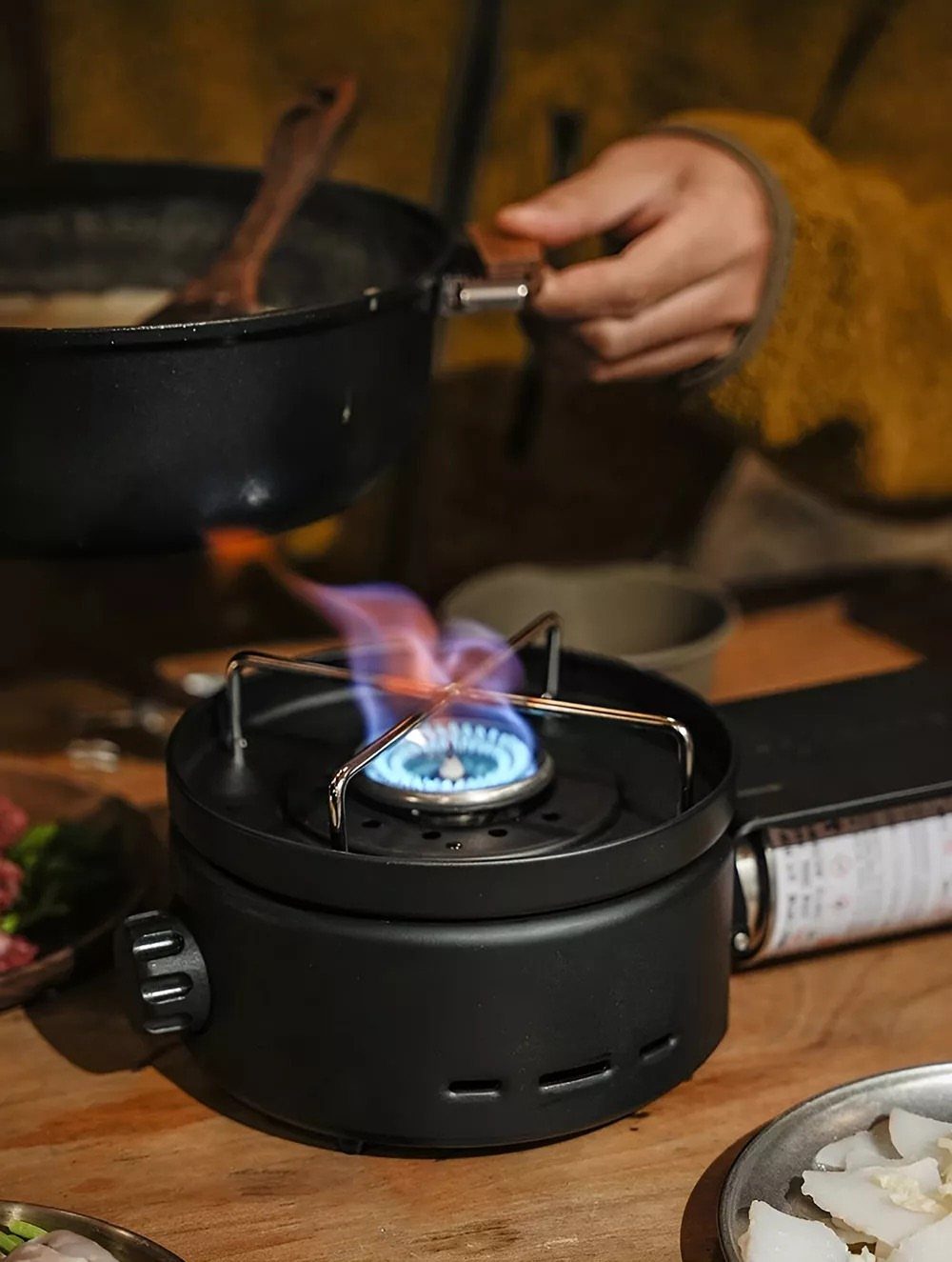
A single-burner gas stove runs on small propane canisters and puts a controlled blue flame under your pot in seconds, no kindling, no waiting for coals.
These units are light, store small, and the stove itself is cheap; fuel canisters last a couple of hours on full blast and cost a few dollars each.
This is the practical choice for readers who cook outdoors occasionally and want reliability without building anything permanent.
The limit is the fuel cost and the waste: those green canisters are not refillable in most places, though I have seen adapters that let you fill them from a larger tank if you use one often enough to justify the setup.
For a balcony where open flames are restricted, check local codes; many allow these where wood fires are banned.
4. Portable Outdoor Kitchen Station
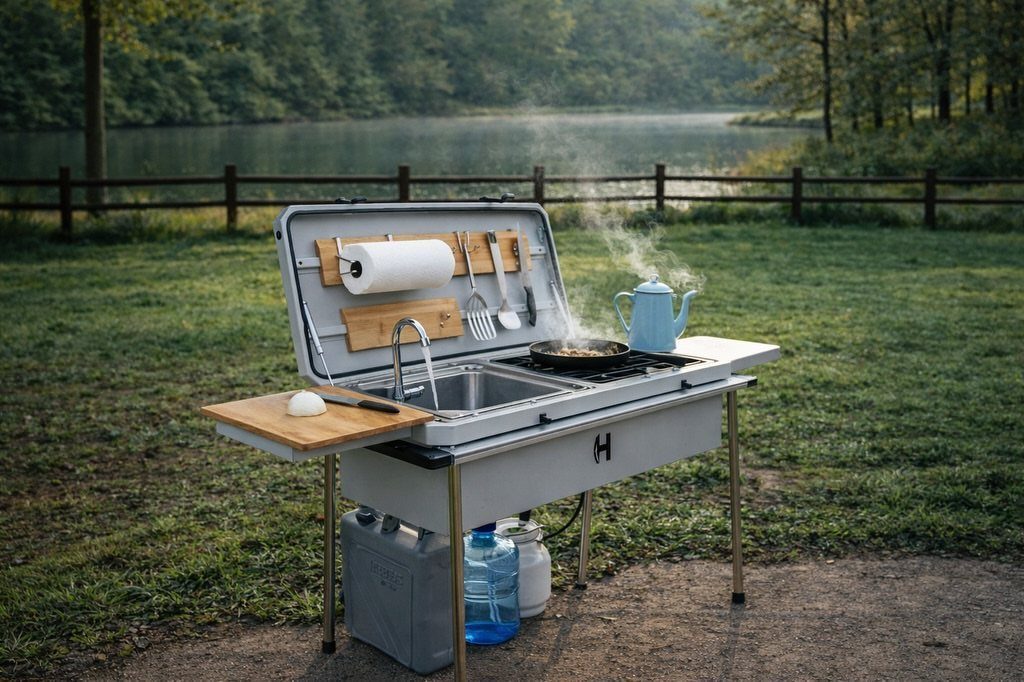
A folding camp kitchen packs a sink, prep surface, and stove into a box that opens like a suitcase and wheels to the car when you are done.
The unit runs water from a raised jug through a faucet into a basin that drains to a bucket below; burners fold flat against the frame, and hooks along the side hold utensils within reach.
This is the most complete off-grid kitchen you can set up quickly and store in a closet.
I would look for an aluminum frame over steel; the weight difference matters when you are lifting it in and out of a vehicle.
The sink is the feature that separates this from a basic folding table, and for me that matters: washing vegetables and dishes without hauling water back to the house changes how often I actually cook outside.
5. Outdoor Food Drying Cabinet
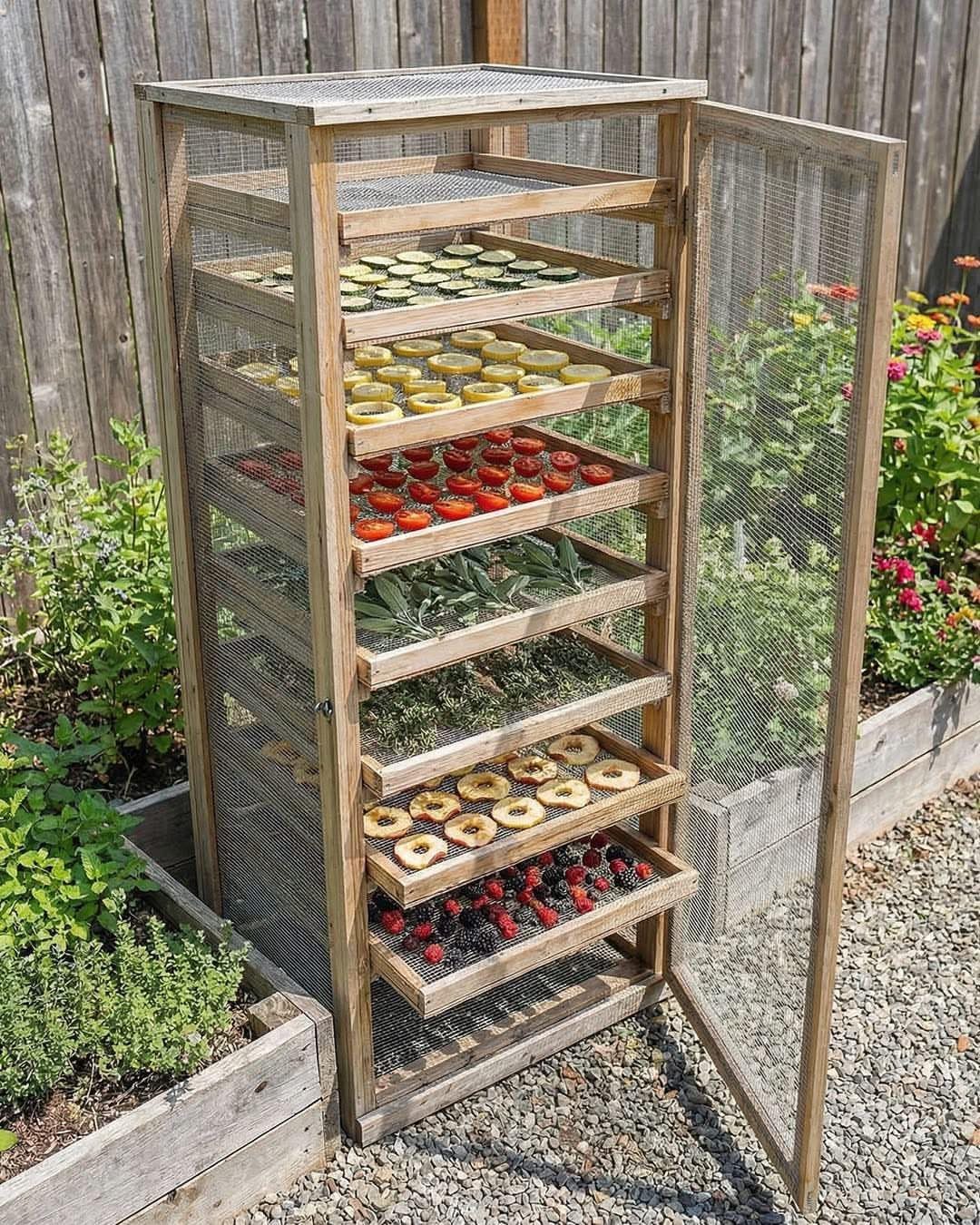
A wooden drying cabinet with mesh sides lets sun and breeze pull moisture from food without electricity, preserving herbs, tomatoes, apples, and berries as the seasons turn.
The cabinet stands tall enough for several removable shelves, each loaded thin enough that air moves between slices; the mesh keeps insects out while letting humidity escape.
This is slow work, days rather than hours depending on your humidity and the food, but the energy cost is zero and the result stores for months.
I would place it where morning sun hits but afternoon shade protects, since too much heat can cook rather than dry the surface, trapping moisture inside.
Cedar or food-safe pine for the frame, stainless or fiberglass mesh; standard window screen will corrode and taint the flavor. For readers in damp climates, a small solar fan mounted at the top speeds drying without breaking the off-grid rule.
6. DIY Brick Stove Base
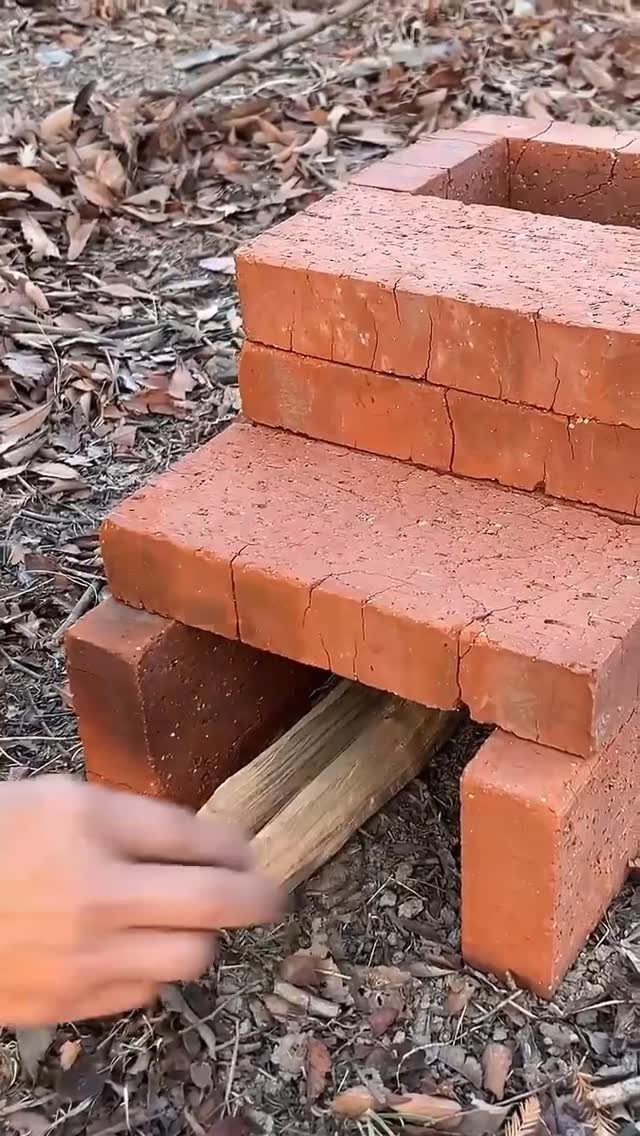
A stove built from stacked red bricks needs no mortar, no tools, and no skill beyond arranging a simple box with a lower opening for firewood and an upper opening for a pot.
The basic form is 2 parallel walls with a gap between, a few bricks laid across to support the cook surface, and the ground itself as the floor.
Dry bricks are the key; wet or salvaged ones can crack or spall with heat.
New firebricks are worth the cost if this sees regular use, though standard clay bricks work for occasional cooking. The design is temporary, but the same stack, rebuilt with a clay-sand mortar, becomes semi-permanent.
What you trade for the low cost is efficiency; heat escapes in every direction, so this burns more wood than a rocket stove and needs constant feeding. For a weekend project that cooks dinner tonight, though, nothing is simpler.
7. Open Fire Roasting Rig
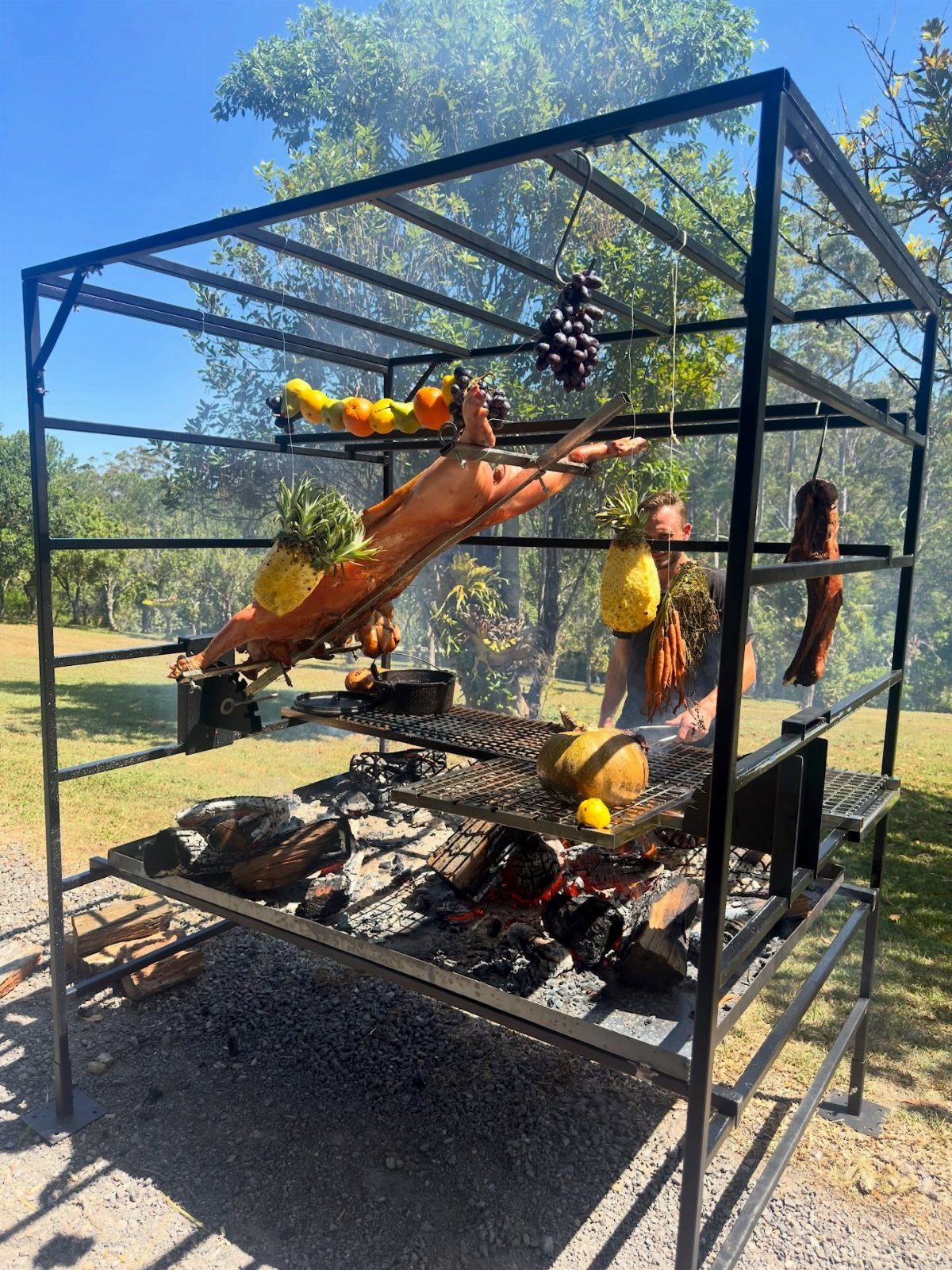
A tall steel frame with hooks at varying heights lets you suspend whole animals and large fruits directly over hardwood coals, turning an open fire into a slow rotisserie without motors or gears.
A cage rig lets you roast at different heights at once; fruit goes up top where the heat stays gentle, meat drops low for a hard sear.
This is the choice for someone with land, time, and a gathering to feed.
Angle steel and rebar make the frame, welded or bolted together; being able to raise and lower the rack beats any clever mechanism. I would build it freestanding rather than digging post holes, so it moves when the wind shifts.
Fuel is split hardwood, added in stages for a bed of coals rather than flames. You pay for the result in time: this runs for hours, and someone has to be there to raise, lower, or rotate as it goes.
For a balcony or small yard, this is not realistic. For a half acre with a pile of oak, it is the cooking that becomes the event.





