
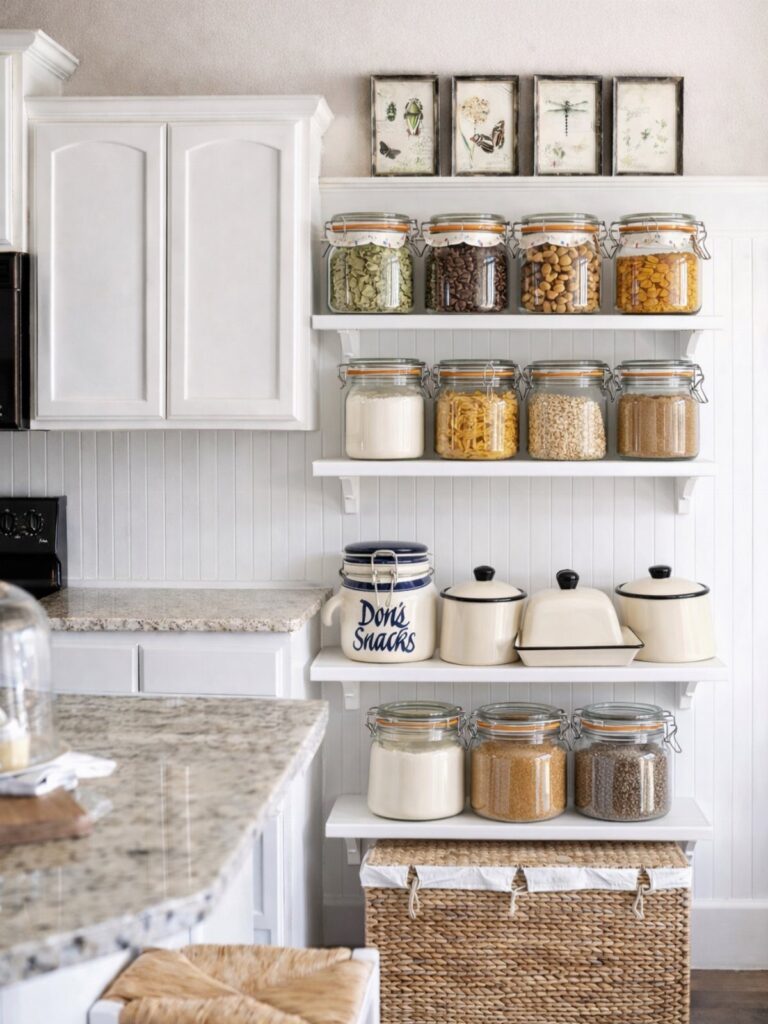
The best kitchen storage idea for your space depends on whether you rent or own, since built-ins and wall-mounted systems stay with the house while rolling islands and tension-mounted racks move with you.
My list runs from a wire sponge caddy to custom pull-outs that need a saw, across setups that all share one trait: they measure the gap first, whether that means checking P-trap clearance under the sink or taping out island footprints on the floor.
1. Drawer Dividers for Kitchen Drawers
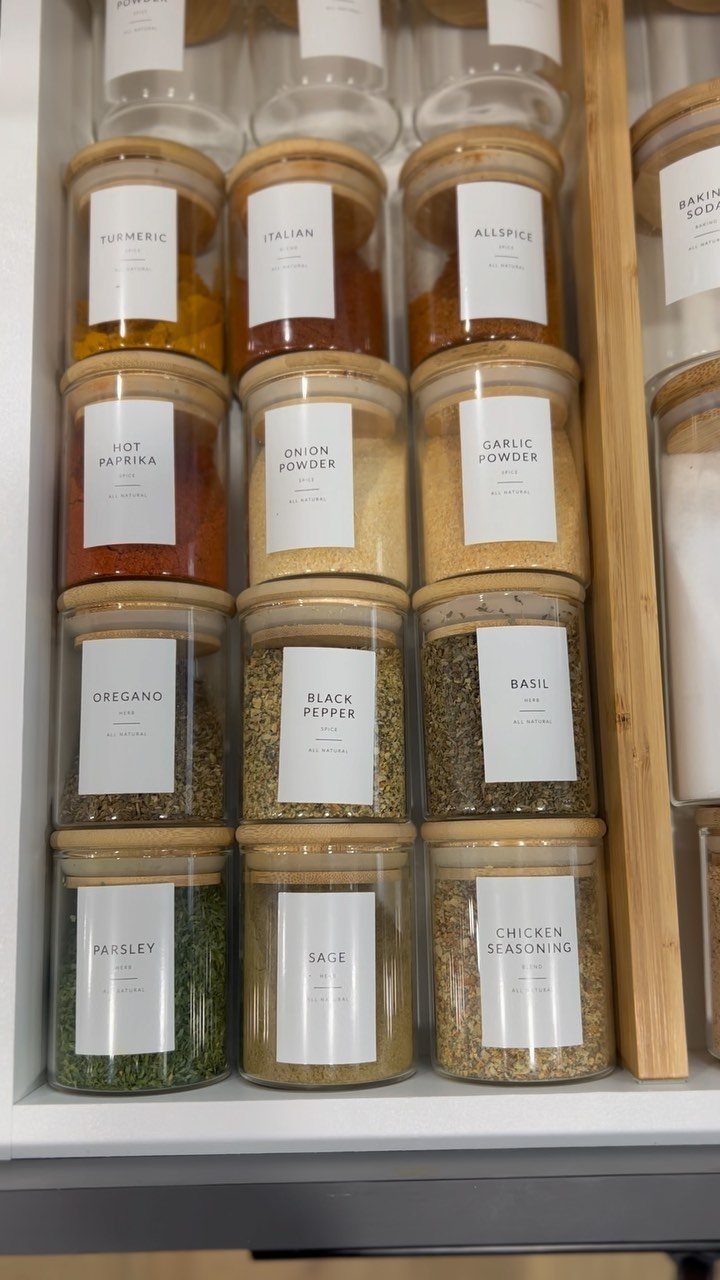
Wooden dividers turn a single junk drawer into a spice station where everything stays put.
I measure my drawer first, then buy dividers slightly shorter on each side for wiggle room; bamboo runs mid-range for a set that fits standard cabinets.
Labels face up, so I grab turmeric without opening 3 jars to check. Giving up that drawer for silverware or tools works for me only if I cook with spices often enough to justify the dedicated space.
2. Use a Lazy Susan for Countertop Clutter
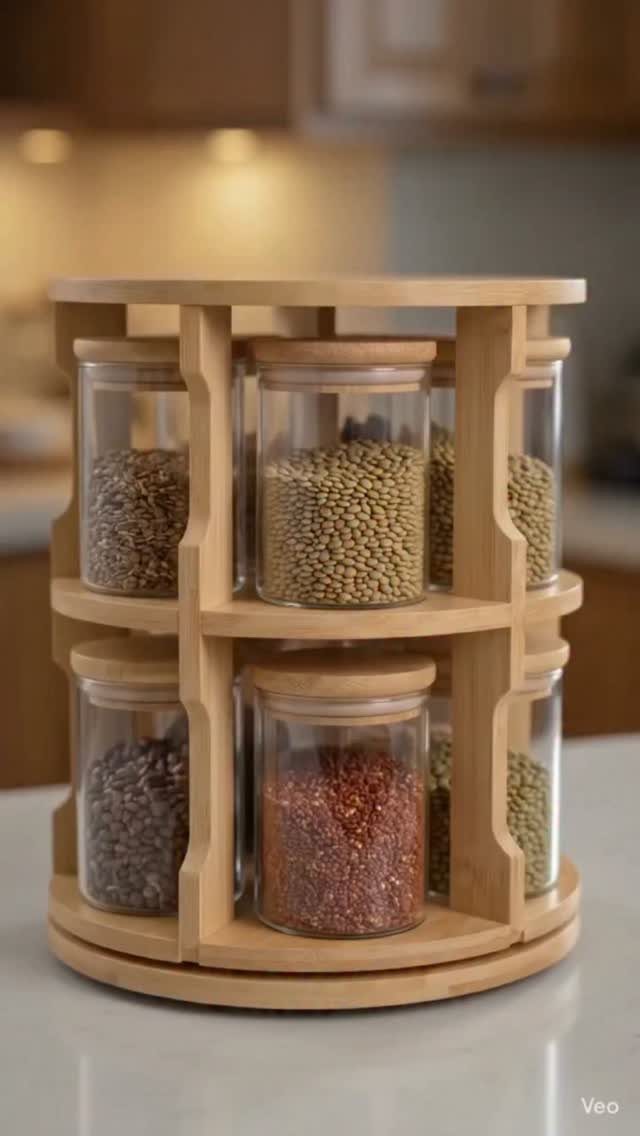
A two-tier turntable earns its counter space by bringing the back row to the front with a spin.
I keep mine small enough to clear most upper cabinets; wood and bamboo look warmer than plastic but need wiping, not soaking. Grains in matching jars read as one object instead of clutter, which matters when every square foot counts.
The center post is the weak point, so I load heavier items on the bottom shelf and check the fit before I buy, since some spin stiffly until broken in.
3. Use Clear Containers for Dry Goods
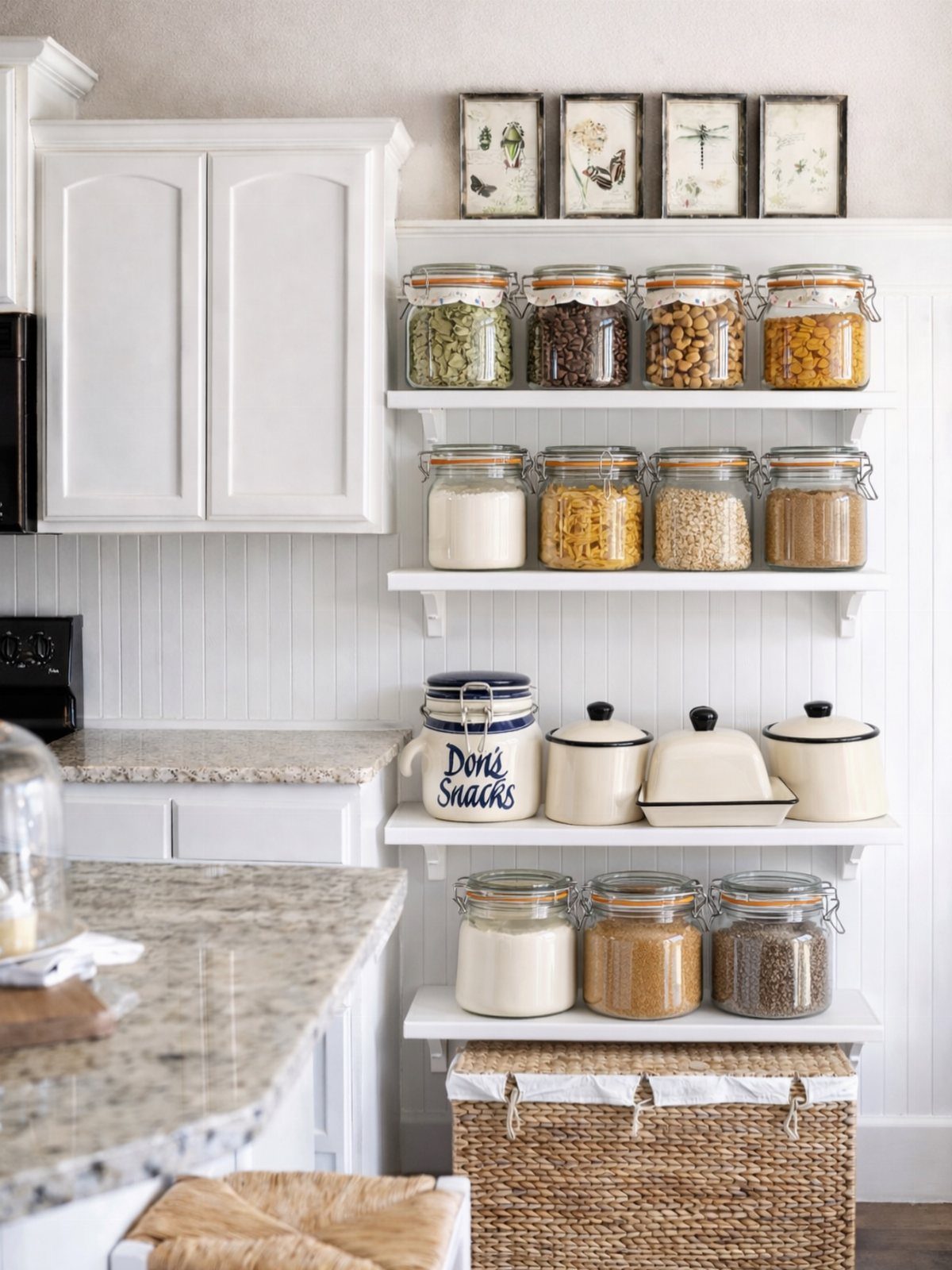
Glass shows me when I’m down to half a cup of flour before I start a recipe.
I buy jars with wide mouths because a measuring cup needs to fit inside; one mismatched label can break the uniform look for personality, or I can keep it clean and match everything.
Open shelving means dust, so I accept wiping rims or I move them behind a cabinet door. The cost stacks up per jar, so I phase them in starting with what I use most.
4. Install Pull-out Drawers
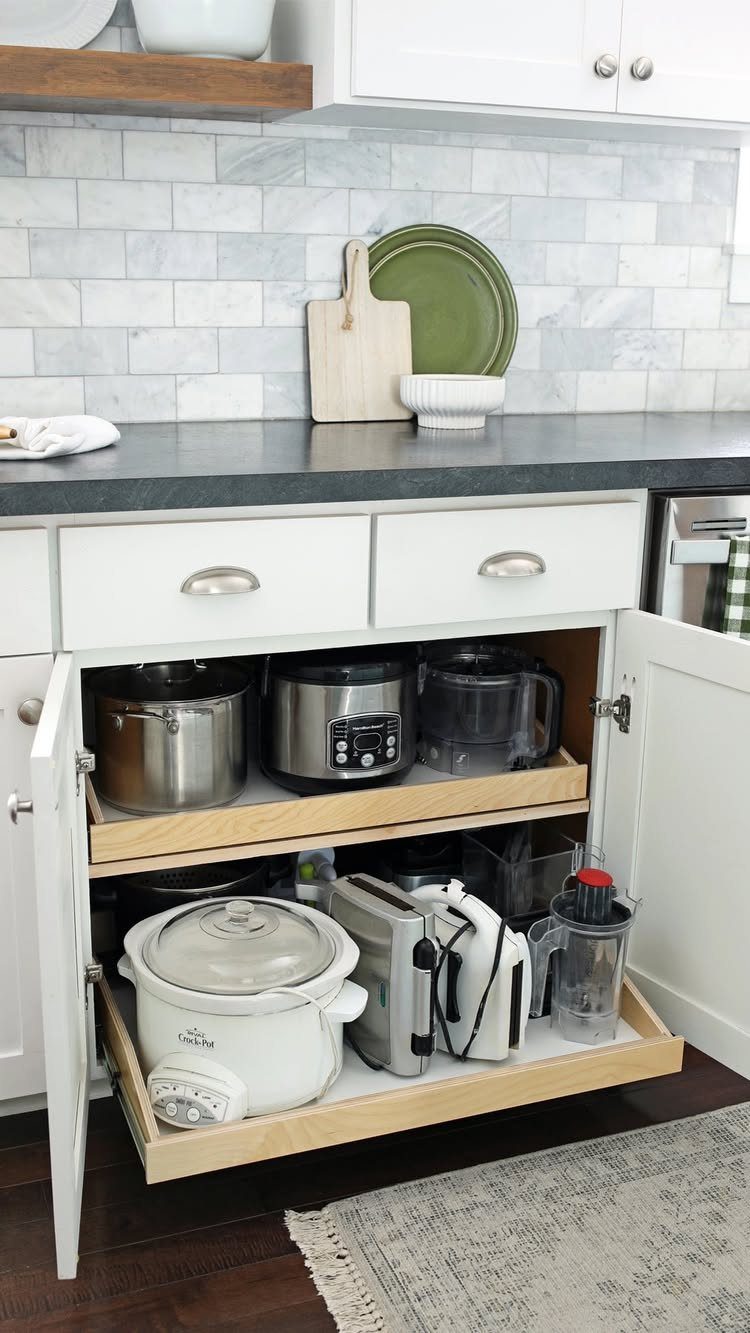
Deep cabinets swallow appliances whole; pull-out drawers bring the waffle maker to me instead of me crawling to it. I install them on the cabinet floor, not suspended, since a loaded slow cooker gets heavy fast.
Full-extension slides cost more than 3/4 extension but I find them necessary, otherwise the back third still hides. I leave enough headroom above the top one for a blender to stand upright.
If my cabinet has a center stile, I need to plan around it or remove it, which is a job I hire out unless I’m confident with a saw.
5. Double Your Cabinet Space with Stacking Shelves
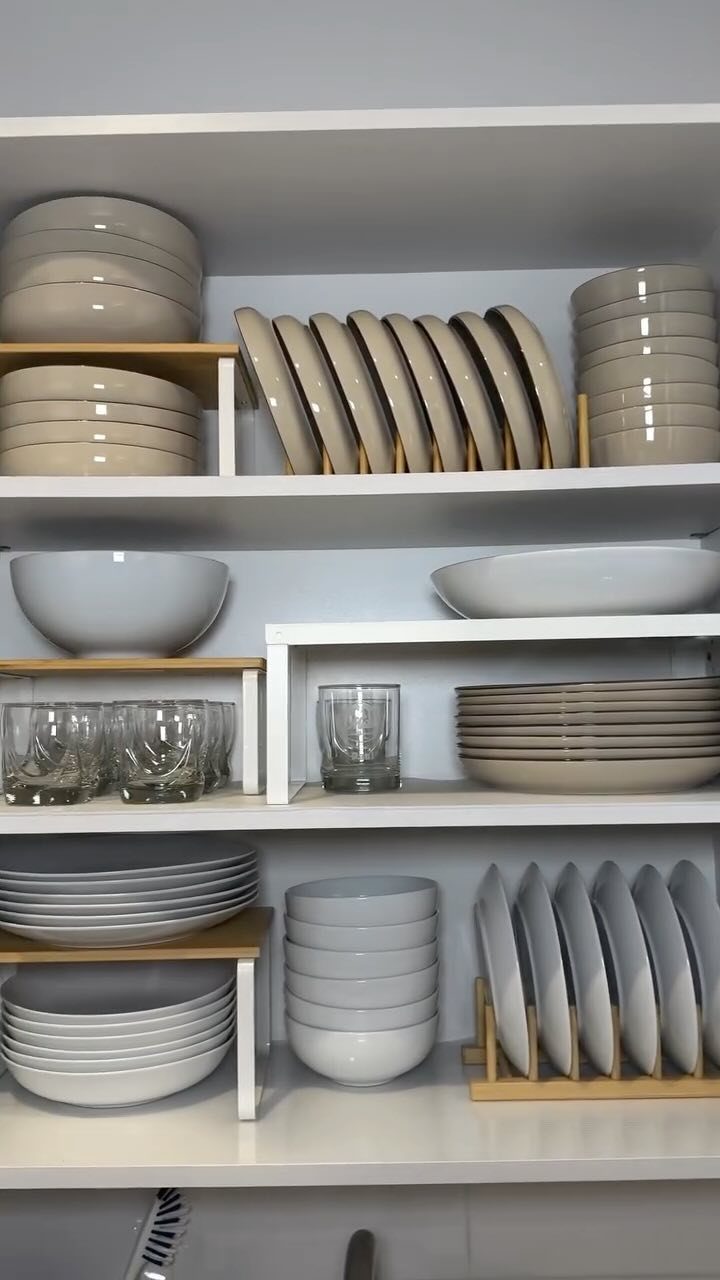
I look for risers wide enough to leave room for glasses beside them; bamboo or coated metal holds ceramics without scratching.
Headroom is the limiting factor, so I measure my tallest plate standing upright before I buy. I use these most in taller cabinets, where standard dish stacks waste half the vertical space.
6. Add Extra Storage with an Island
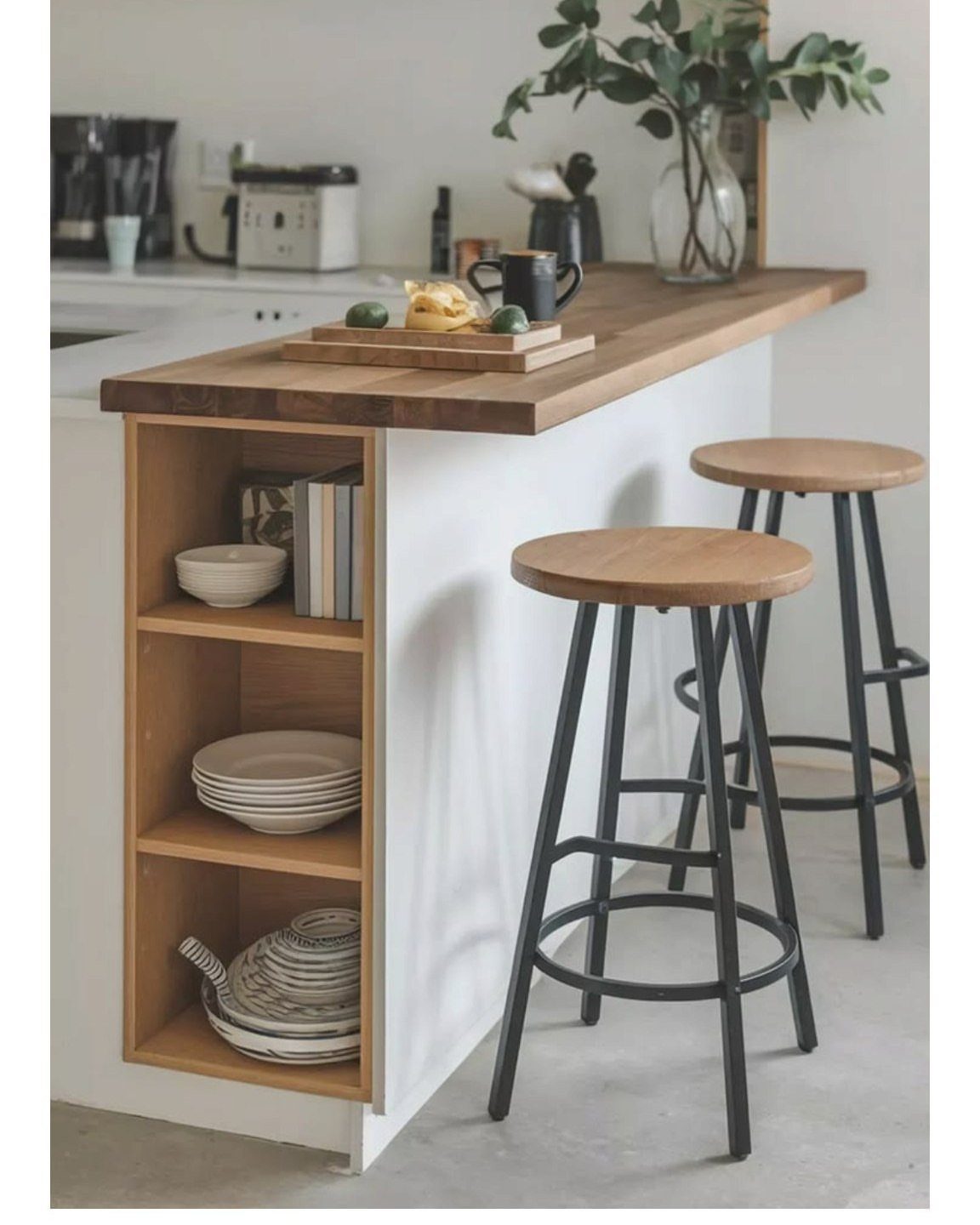
A kitchen island with open end shelves stores what I use daily and keeps the counter clear for prep.
I limit open storage to good-looking, grease-proof items since there’s no door to slow dust. Built-in shelves cost more than freestanding, but they don’t shift when I lean on the counter.
I need clearance on all sides for walkways, so I tape out the footprint before I commit. For renters, a rolling island with a towel-rack side does similar work and moves with me.
7. Cleaning Cabinet
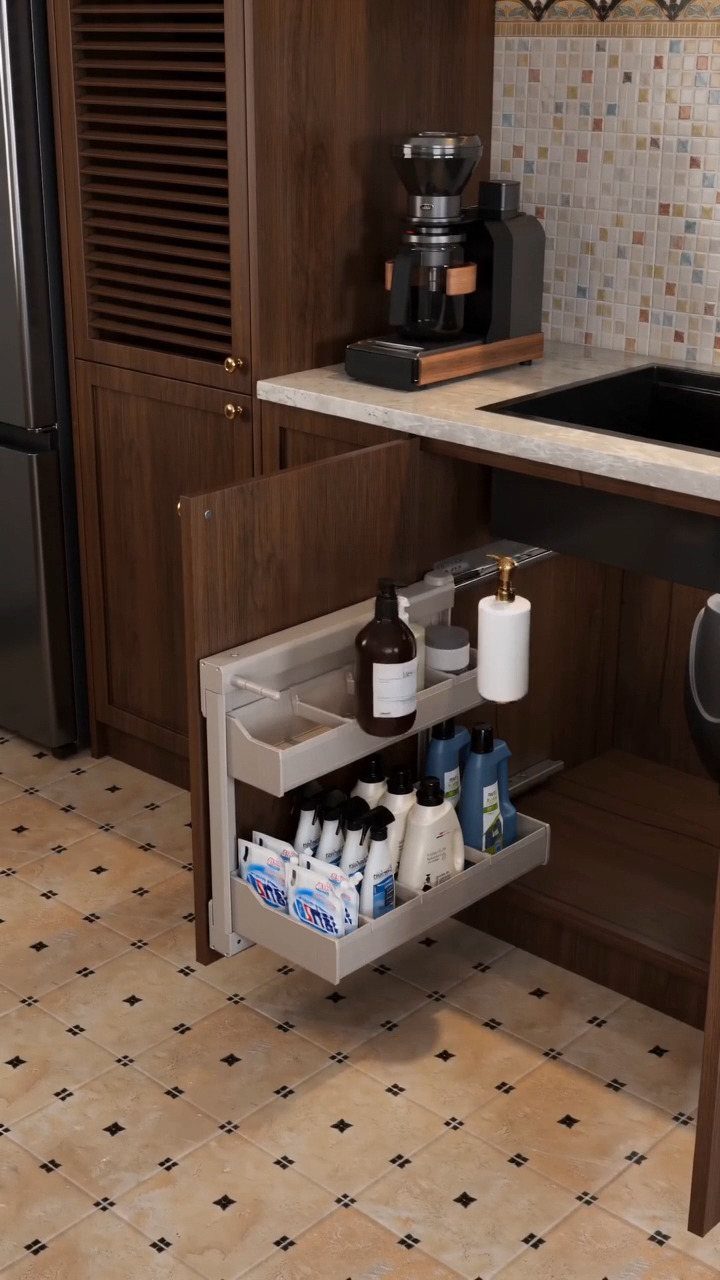
I measure my plumbing before I buy a two-tier version, because the P-trap steals room. I reserve this spot for cleaners I use daily and store bulk refills elsewhere.
8. Use a Magnetic Spice Rack
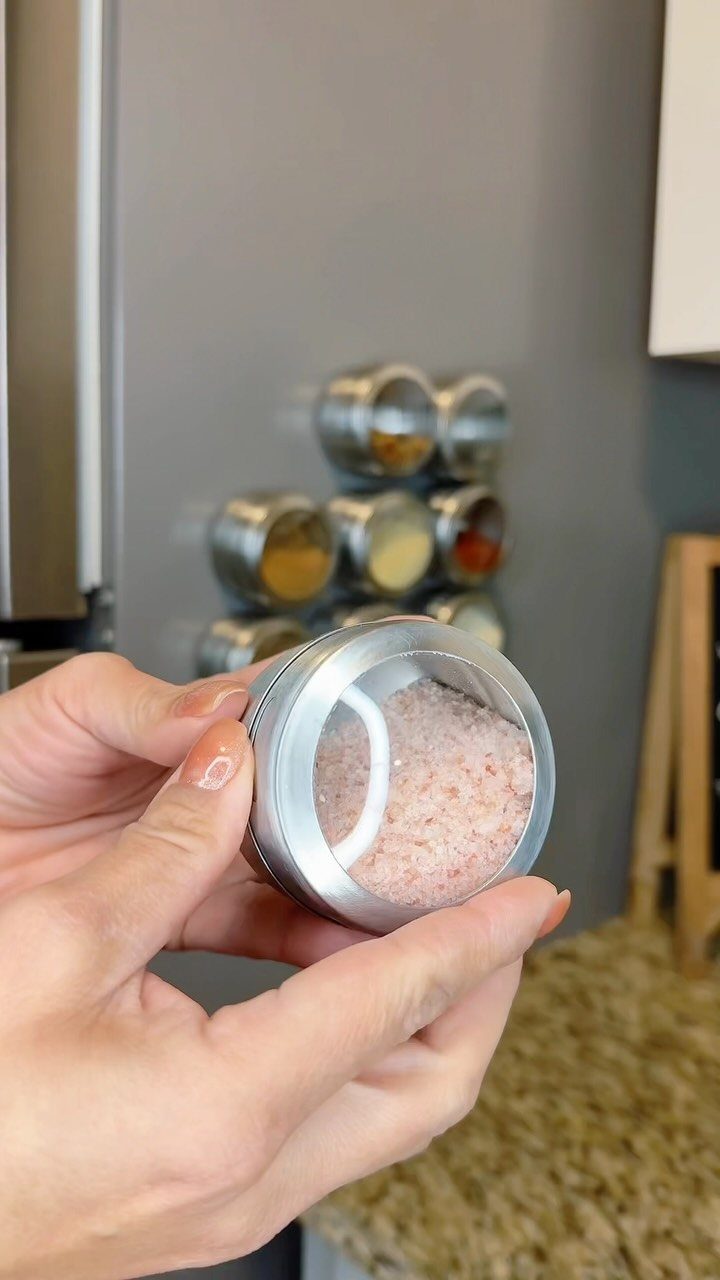
Round steel tins cling to a refrigerator side and free drawer space for something else.
I buy sets with clear lids so I read the label without pulling each one; magnetic strength varies, so I test a single tin before I commit to a dozen.
The hold loosens over years, and I replace the rare-earth magnet inside rather than the whole set. Glass jars look homier but weigh more than steel and need stronger backing.
9. Coffee Station
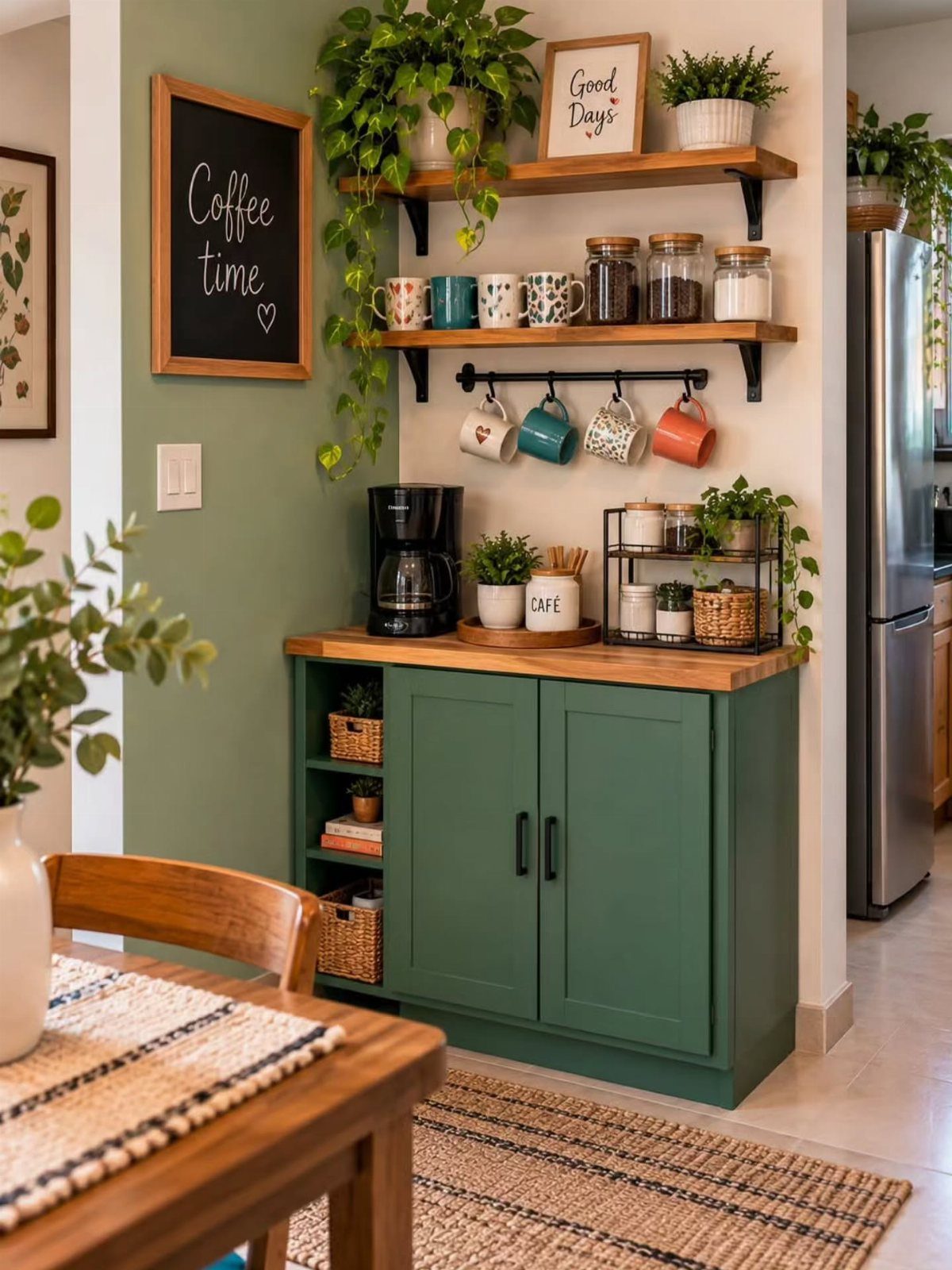
A dedicated coffee corner gathers the grinder, mugs, and sweeteners in one stop so morning moves faster. I keep mine on a sideboard, not the main counter, because the machine stays out and takes space.
Wall shelves above a coffee station hold beans and jars; I limit open storage to what I handle daily and hide backups below. A small sign or plant marks the zone without cluttering it.
10. Organizing Spices in a Basket
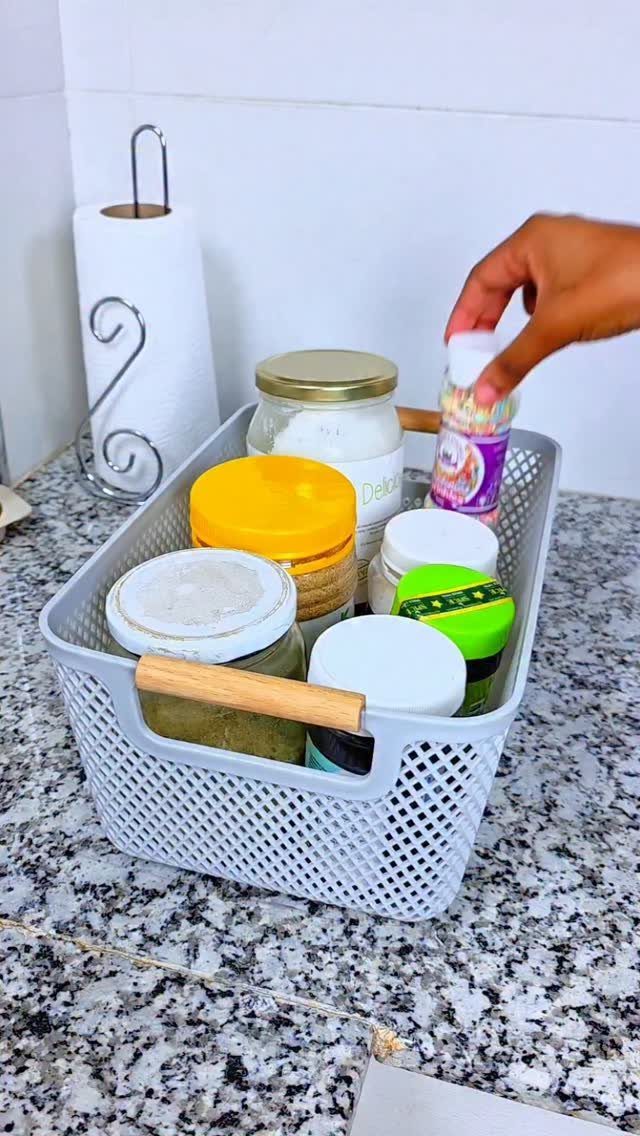
A handled basket carries spices from cabinet to counter and back in one trip. I choose plastic with wood grips for easy wiping; a basket that fits a standard upper cabinet depth keeps spices in reach.
Labels face out so I read them at a glance, and I limit each basket to what I use for one cuisine, not every jar I own. 2 baskets stack when I entertain, then split again for ordinary nights.
11. Use a Dish Rack for Drying
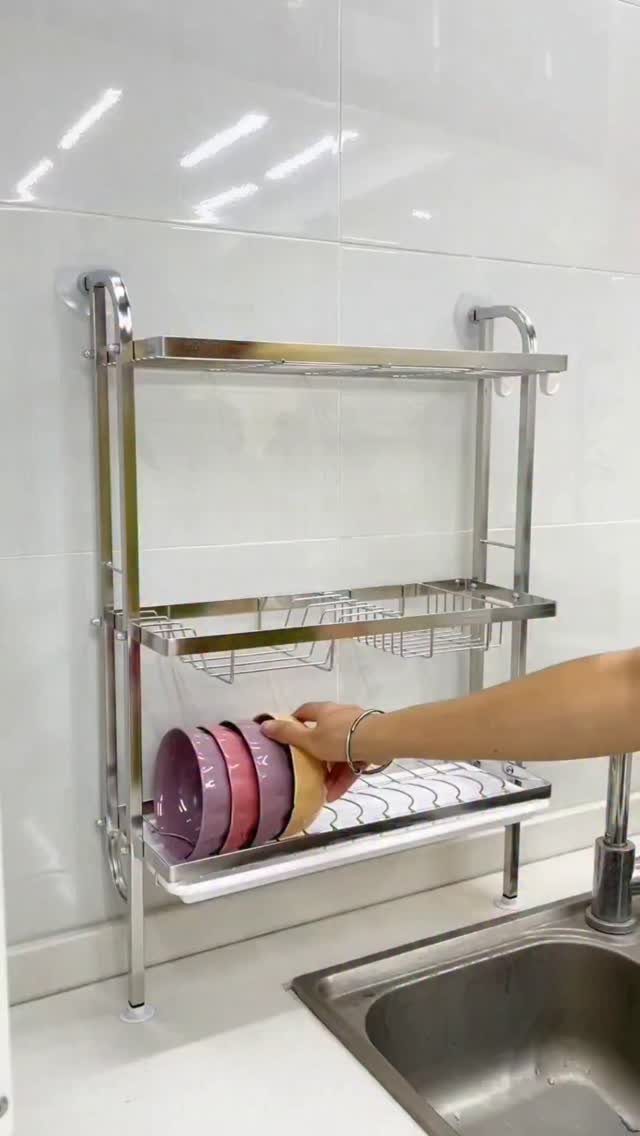
A tiered rack above the sink drains dishes where the water falls straight down. I mount mine into wall studs or use toggle bolts; the weight of wet plates adds up.
A two-level dish rack keeps bowls below and glasses above, which suits how I wash. I leave enough clearance to lift a pot lid without knocking the rack, and I oil the joints yearly against rust.
12. Use a Decorative Bowl for Fruit
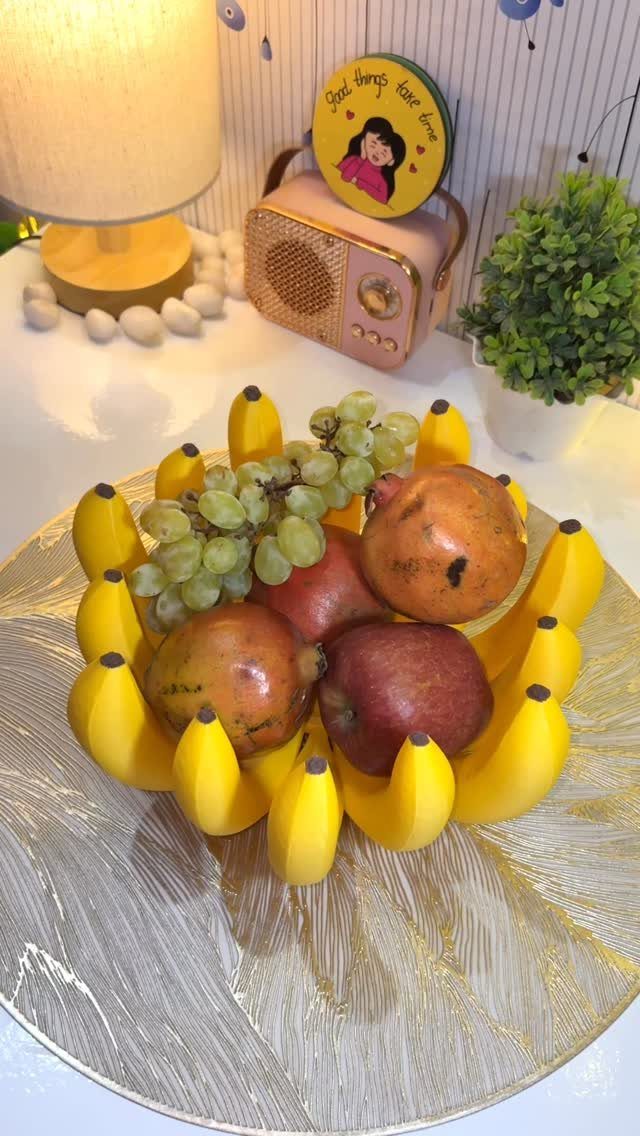
A sculptural bowl turns fruit into something I want to look at.
A small brass bowl holds a modest fruit haul without crowding the counter; I choose open weave or solid sides based on how fast my peaches ripen, since air circulation matters.
I refill it twice a week so nothing softens at the bottom, and I move it when I need that space for prep.
13. Use a Cabinet Door Organizer
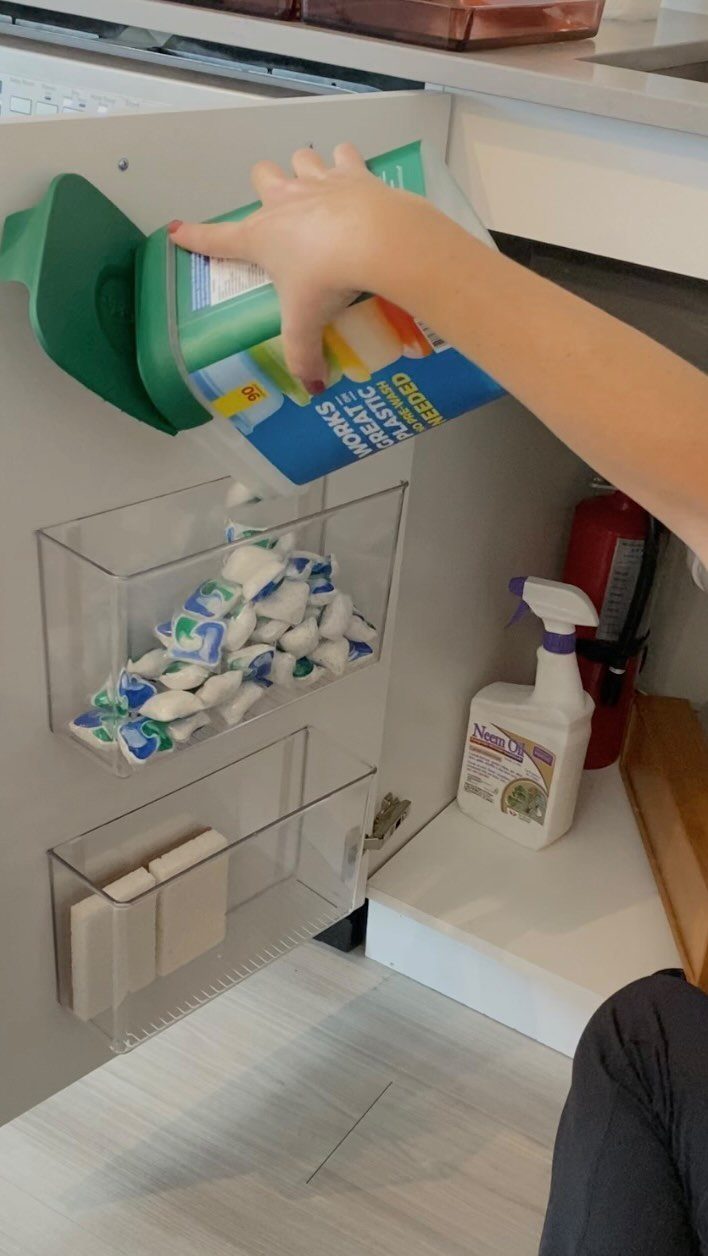
The back of a cabinet door holds more than I expected.
Clear acrylic bins screw or stick to the interior face, turning that blank panel into storage for pods, sponges, or wrap. I keep the weight light; a loaded bin stresses hinges over time.
Depth matters more than width, since the door still has to close flat against the frame. I use this for items I grab daily, not once-a-month backups that belong deeper in the cabinet.
14. Over-the-sink Storage Rack
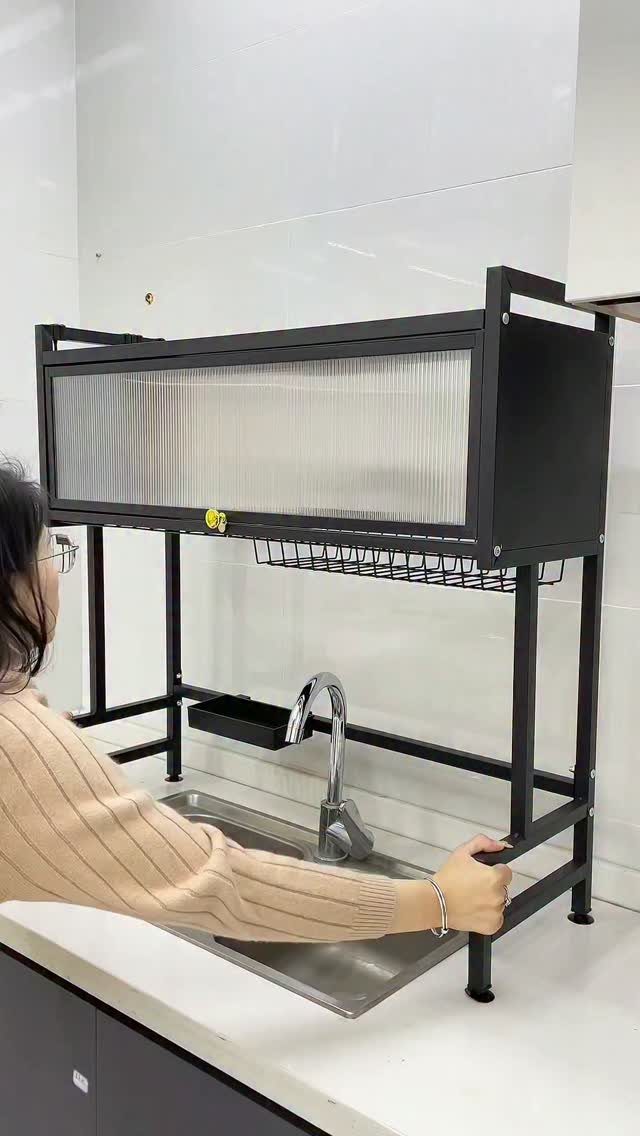
A rack spanning the sink turns the dead zone above the basin into shelf space for dishes, plants, or soap.
Black metal reads as intentional rather than temporary, and the open grid lets water drip through instead of pooling. I check my faucet height first; the rack needs to clear it with room to work beneath.
Renters can find tension-mounted versions that leave no holes, though they shift if loaded unevenly. I wipe mine weekly, since splatter collects on the lower bars.
15. Wall-mounted Produce Baskets and Shelves
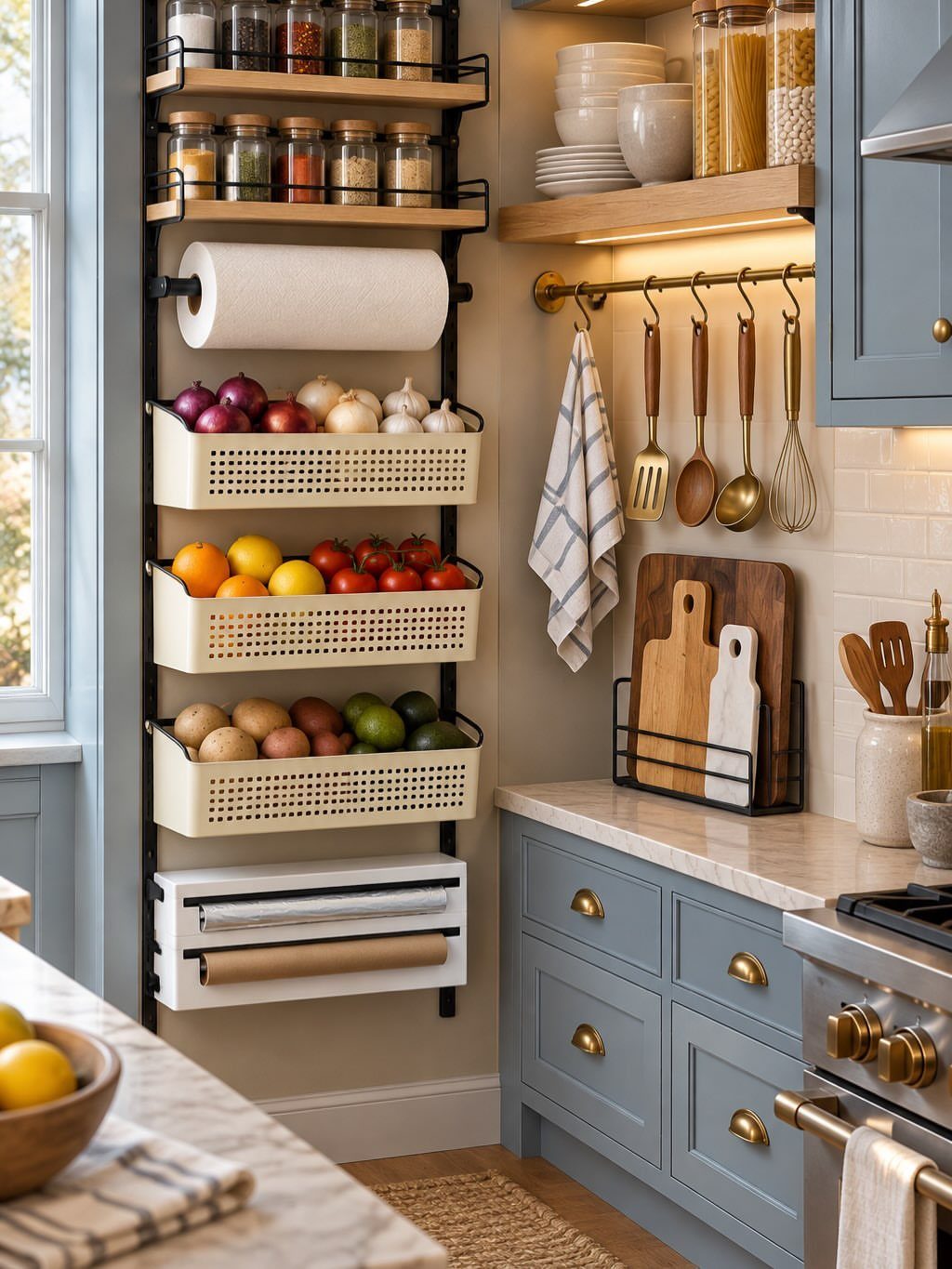
Vertical wall systems squeeze storage into gaps too narrow for furniture.
Perforated baskets hang at working height, with hooks above for towels or tools. I mount mine into studs when the total load climbs past a few pounds; adhesive strips hold lighter setups until summer humidity weakens them.
Fabric liners show soil fast; plan to empty and wash them monthly or they turn into a source of mold.
Heavy items belong on the lowest shelf so the bracket load stays vertical and the wall mount does not torque outward.
16. Sink Faucet Sponge Holder
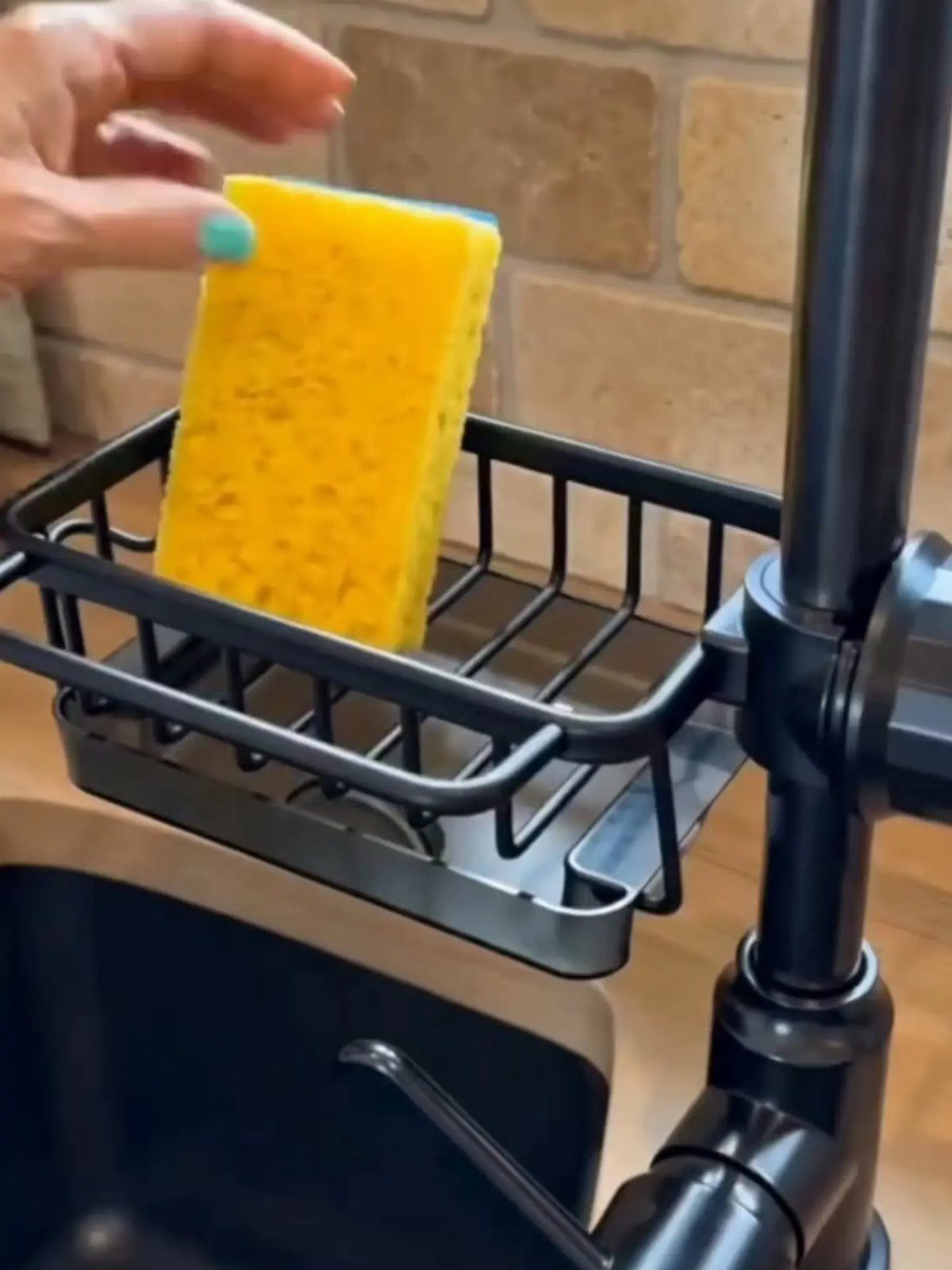
A wire caddy clamped to the faucet neck keeps the sponge off the counter and draining.
I position mine high enough that water falls back into the basin, not onto the deck where it stains. Black coating resists rust but chips if I scrub aggressively; I replace caddies every couple of years rather than fighting corrosion.
The clamp fits standard faucet diameters, so I measure an odd-shaped neck before ordering. I run mine through the dishwasher monthly to kill slime buildup.
17. Countertop Spice Rack
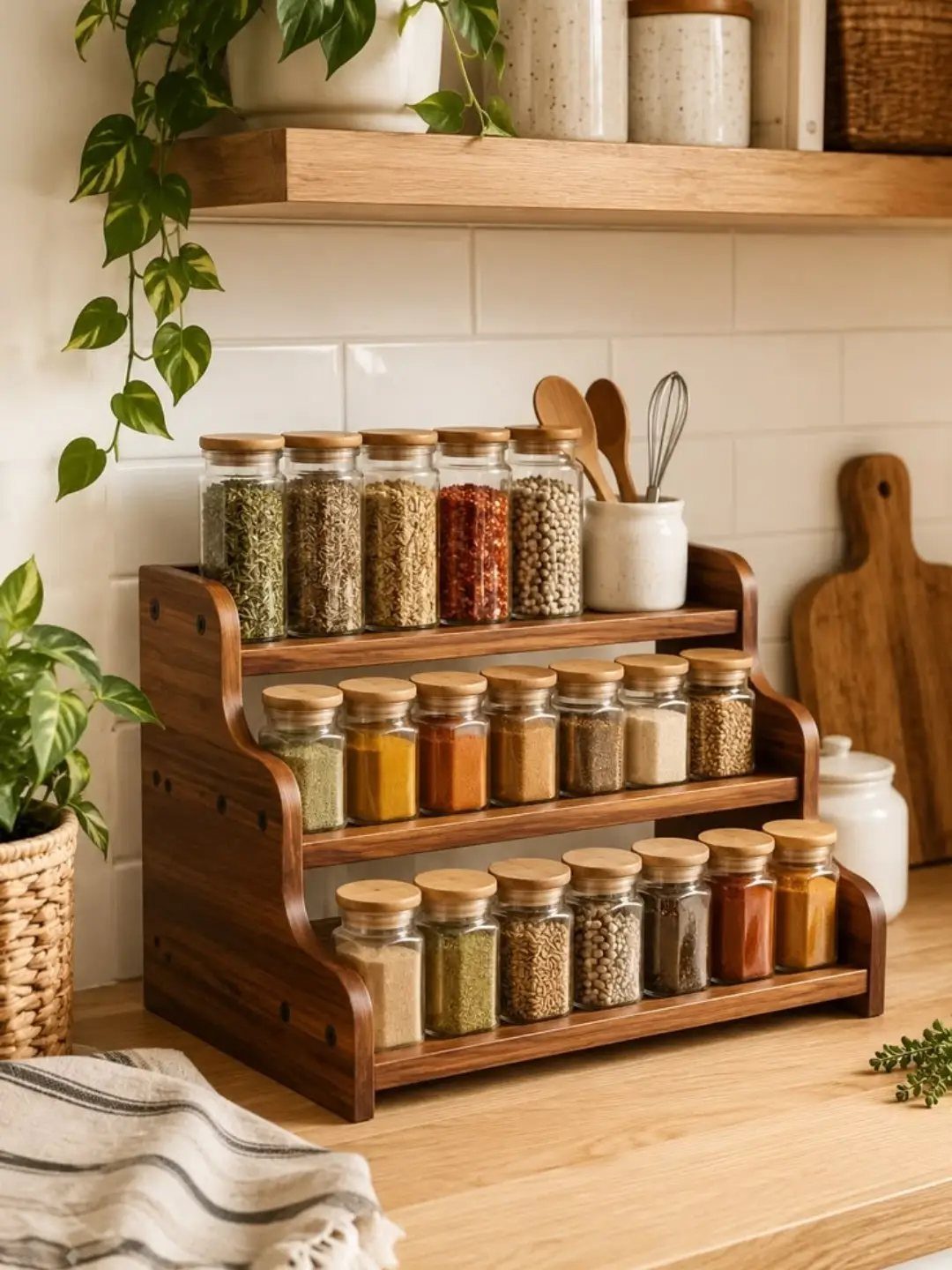
A three-tier wood rack brings spices to counter height where I cook, not where I store.
Matching glass jars with wood lids read as one object, which matters when the rack lives in plain sight. I fill mine with what I use in a single week; the rest stays in the cabinet to limit sun fading.
The footprint runs narrow front-to-back, so I gain storage without sacrificing prep space behind it. I oil the wood yearly against grease film.
18. Refrigerator Organizing Bins
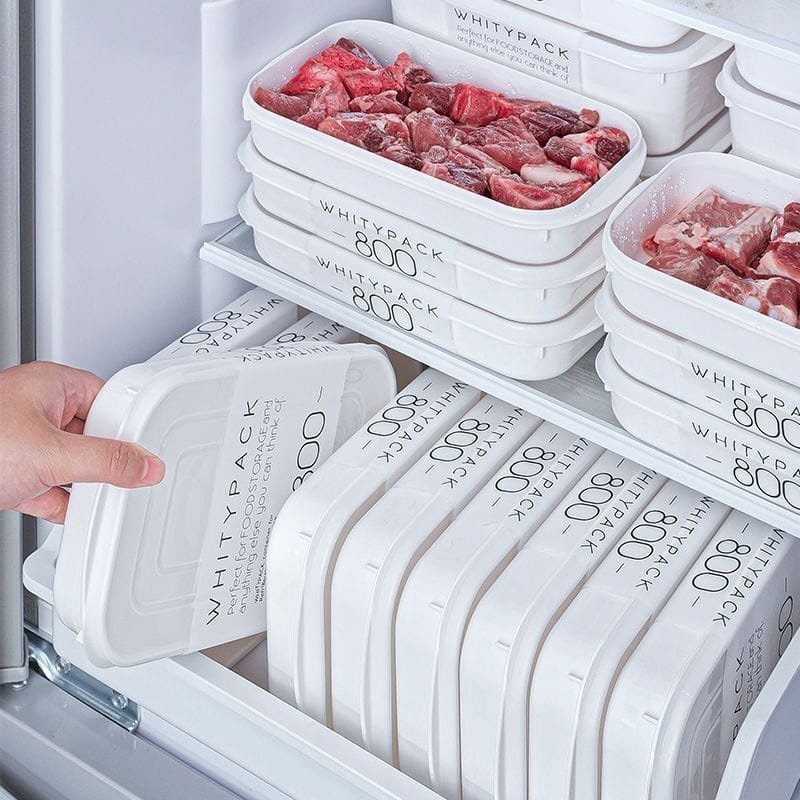
Matching white bins turn a refrigerator shelf into filing cabinets for meat, produce, or leftovers.
I label each bin with contents and date, since uniform outsides hide what’s inside. Stacking works only with flat lids; domed ones need side-by-side placement.
I choose dishwasher-safe plastic because raw meat residue demands hot water, and I keep a dedicated bin for proteins to avoid cross-contamination. The system costs more than repurposed takeout containers but holds its shape and stacks without collapsing.
19. Under-sink Pull-out Organizers
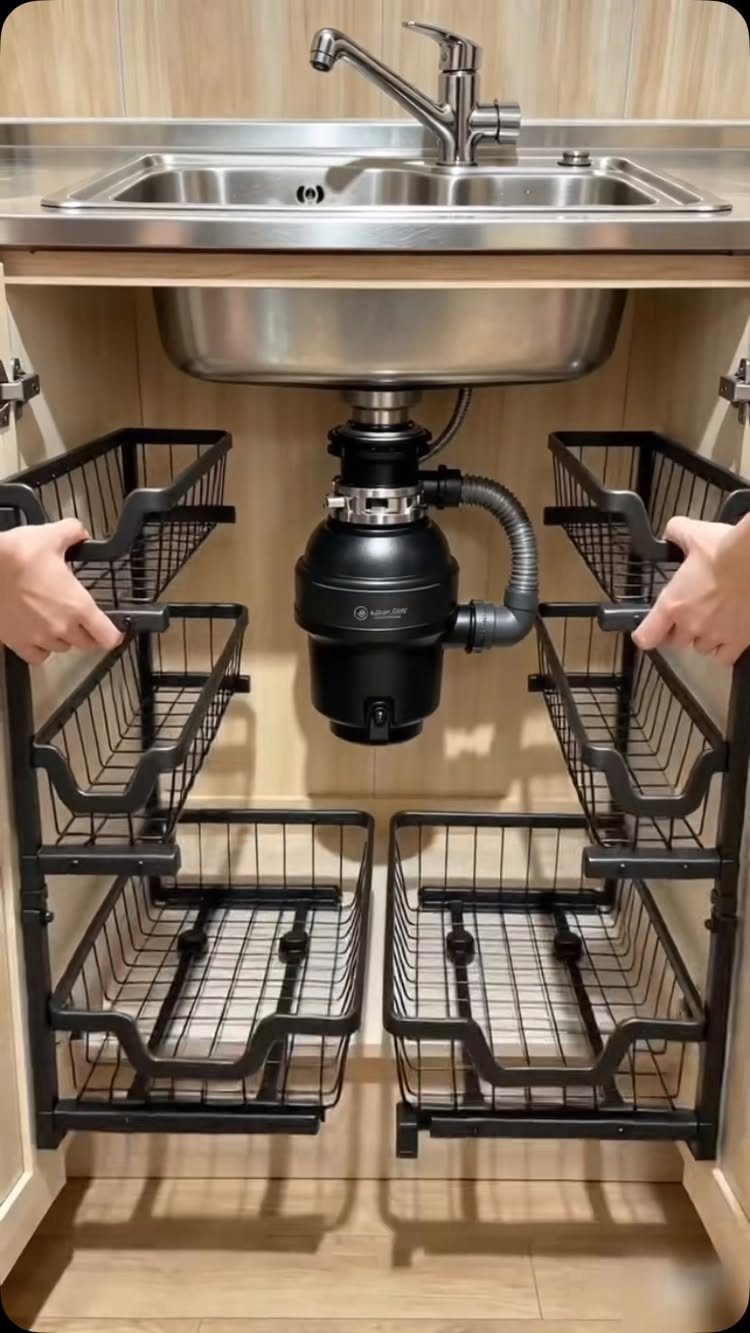
Sliding wire baskets on both sides of the plumbing turn the under-sink void into reachable storage. I mount them low enough to clear the disposal and P-trap; black coated metal resists the damp down there better than raw steel.
The baskets roll out fully so nothing sits hidden at the back past the point you remember it.
Keep weight light, since the cabinet floor supports the track, not the wall. This setup costs less than custom pull-outs but needs accurate measuring around your own pipes.
20. Vertical Pan Organizer
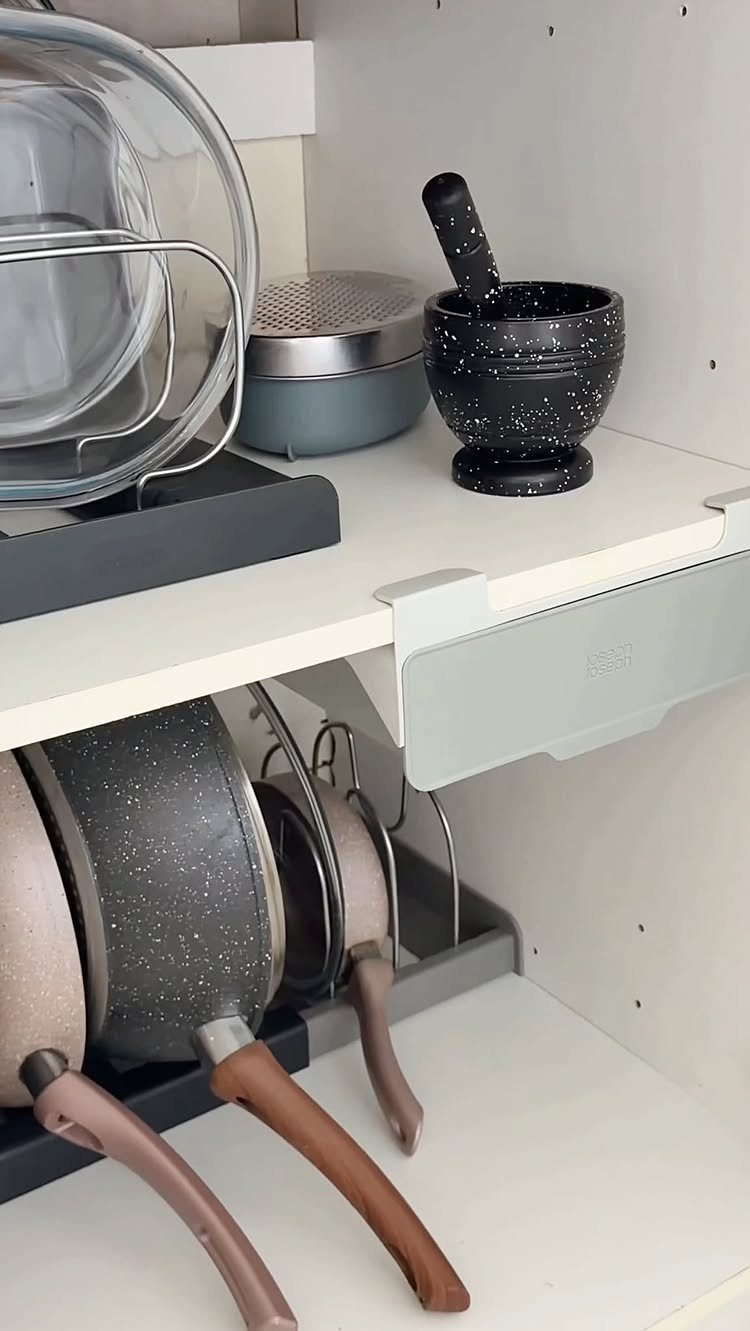
Standing pans on edge in a wire rack ends the stacking game where you always need the one at the bottom.
Adjustable dividers let me space slots for a skillet beside a saucepan; I set the rack on the cabinet floor rather than hanging it, since loaded pans get heavy.
The upright format trades depth for height, so I need cabinet shelves spaced far apart or I use the floor. I gain one motion, grabbing the handle I need, and lose the scratch of metal sliding on metal.
21. Tiered Wire Fruit Stand
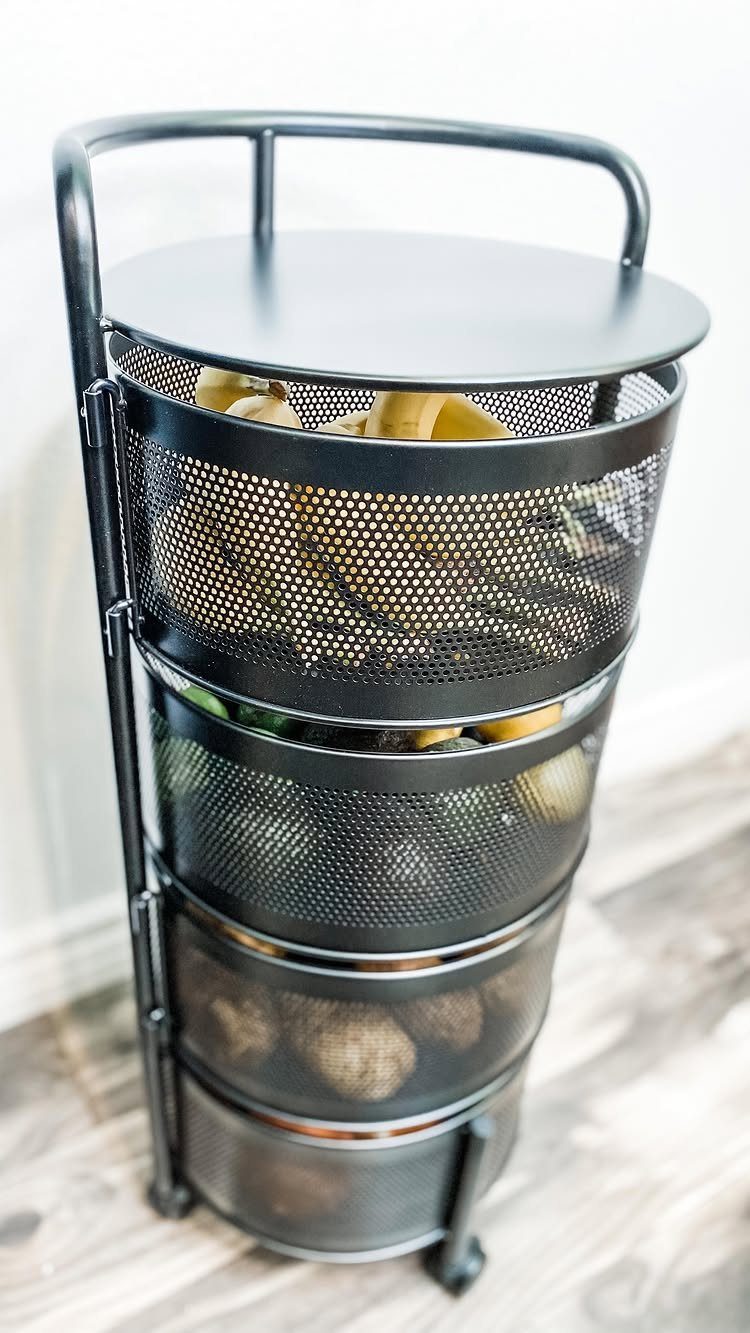
A rolling tiered stand moves produce off the counter and follows me where I prep.
Black metal mesh lets air circulate around bananas and avocados, which matters more than it looks; enclosed bins trap ethylene and speed ripening. Casters lock when you park it, though keep total load reasonable on wood-look flooring that dents.
3 tiers keep fruit sorted by type, and the vertical footprint suits corners where cabinets do not reach. I roll mine to the sink for washing, then back.
22. Pull-out Hanging Cookware Rack
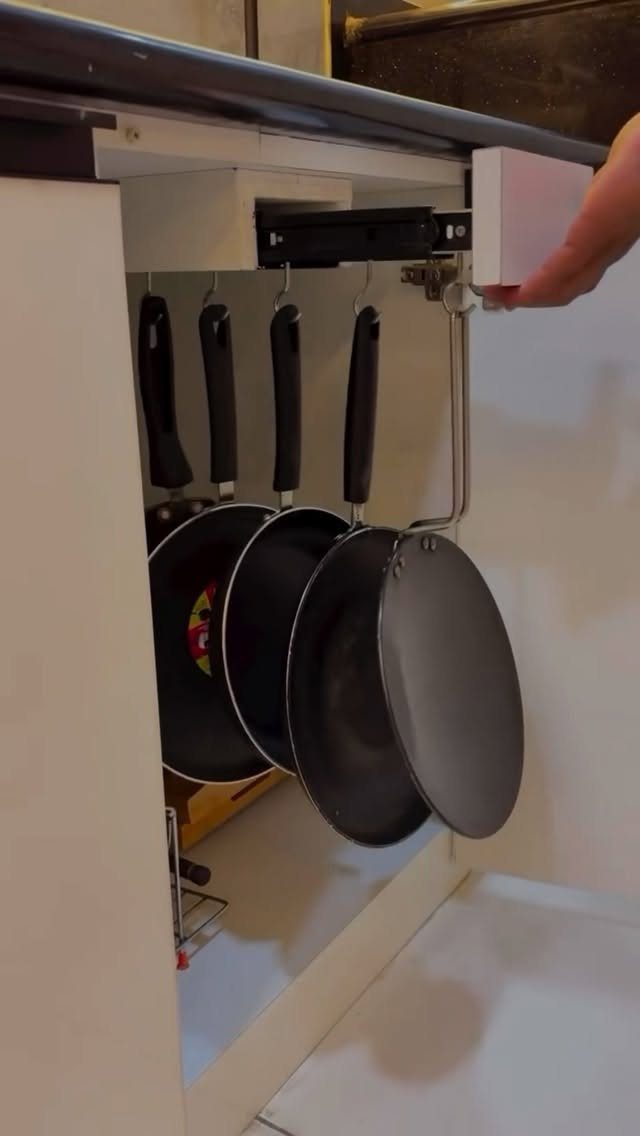
Hooks on a sliding rack suspend pans vertically inside the cabinet, turning depth into height I already have.
A pull-out rack lets you browse the whole collection at once; a white frame keeps the look clean against cabinet sides. Hook spacing decides what fits, so I match it to my pan diameters before buying.
The system needs a cabinet tall enough for a pan to hang without tilting, and I check that first. Weight stays on the slide hardware, not the cabinet back, which matters for older cabinets.
Decluttering Strategies
Expired jars and duplicate tools quietly consume the space you need for actual cooking. I pull everything out twice a year, check dates, and keep only the one tool that works best when I own two.
Grouping by task matters more than grouping by type: my baking station holds measuring bowls, spoons, and my scale in one cabinet because I use them together, not because they look alike.
The pantry benefits most from decanting bulk buys into stackable containers; the original packaging for grains and cereals hides air gaps and collapses differently than uniform bins.
I size my bins to the shelf depth I have, not the pantry I wish for, and I keep the decanted goods in the cabinet closest to where I cook.
A perfectly organized cooking area may seem like a myth, but it’s never entirely out of reach. Smart storage and some savvy kitchen organization ideas can maximize efficiency and even save you precious meal prep time.
Custom Solutions
A walk-in pantry is not a requirement for useful storage. Pegboard on a blank wall holds oils, small tools, and the packets that otherwise vanish into drawers; regular shelves in odd gaps work when pegboard will not fit.
Vertical space most kitchens already own but leave empty is the cheapest storage gain.
Custom built-ins cost more and stay with the house, which I consider only when I know my layout will not change for years. For rentals or uncertain plans, wall-mounted standards and brackets let me move shelves as my storage shifts.
I measure the gap first, buy shelves slightly shorter than the wall width for fitting tolerance, and mount into studs when the load includes glass or appliances.
Accessibility Tips
Vertical space above cabinets and the refrigerator is real storage only if I can reach it without injury.
A slim step ladder between the fridge and the wall slides out for high shelves and hides otherwise. What goes up top matters: seasonal items I need twice a year, not the daily coffee I would resent climbing for.
The step ladder itself is a storage decision, since a bulky one would block the gap I store it in.
I prioritize by motion: the spatula I use most lives at elbow height, the roasting pan I need monthly goes lower but still reachable, and only light, rarely used items climb to where I need help.
Every shelf above eye level is a trade between capacity and accessibility that I measure by how often I actually retrieve what I stored there.





